
Stop losing revenue after the click! Get your free conversion audit at https://www.tiereleven.com/cro/service
Are you optimizing your ads but ignoring what happens after the click? Most brands obsess over traffic acquisition while leaving massive revenue opportunities hidden inside their websites, forms, and customer journeys.
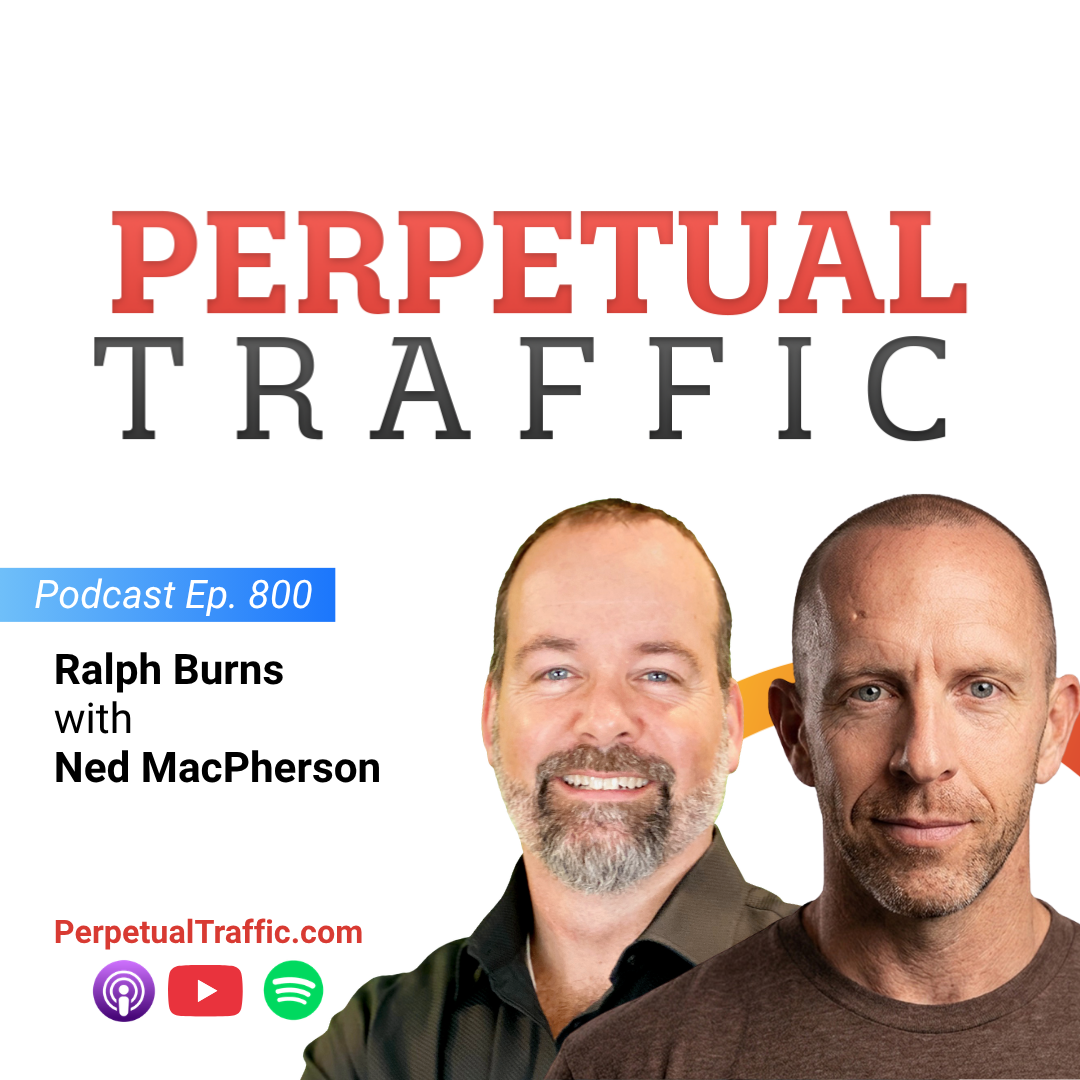
In this third episode of our CRO series with Ned MacPherson, head of CRO at Tier 11, we get into why CRO is really revenue optimization and why copying a competitor’s “pretty” site is a dangerous shortcut.
Ned introduces the AI feature we built that scours the web every couple of hours to show high-end shoppers exactly how the price compares to the market, without them having to leave the page.
We also get into something wilder: an AI agent that runs live pricing experiments across thousands of SKUs on its own. We talk about generative engine optimization (GEO) and how to structure your site so LLMs like Claude and ChatGPT actually recommend your website.
What you’ll learn:
- Why conversion rate optimization is really revenue optimization
- How data-driven CRO beats design-based assumptions
- Optimizing landing pages, PDPs, forms, and post-click experiences
- How lead generation forms create massive conversion leaks
- The role of AI agents in the future of CRO strategy
- Why generative engine optimization (GEO) matters for future visibility
- Improving e-commerce performance with AI-powered pricing experiments
Mentioned in the Episode:
Previous Episodes With Ned MacPherson:
- https://perpetualtraffic.com/podcast/episode-796-stop-redesigning-start-diagnosing-the-cro-method-that-actually-works/
- https://perpetualtraffic.com/podcast/episode-797-what-a-live-cro-audit-reveals-that-your-design-agency-never-shows-you/
Listen to this episode on your favorite podcast channel:
Follow and listen on Apple: https://podcasts.apple.com/us/podcast/perpetual-traffic/id1022441491
Follow and listen on Spotify:
https://open.spotify.com/show/59lhtIWHw1XXsRmT5HBAuK
Subscribe and watch on YouTube:
https://www.youtube.com/@perpetual_traffic?sub_confirmation=1
We appreciate your support!
Visit our website: https://perpetualtraffic.com/
Connect with Ralph Burns:
- LinkedIn – https://www.linkedin.com/in/ralphburns
- Instagram – https://www.instagram.com/ralphhburns/
- Hire Tier 11 – https://www.tiereleven.com/apply-now
Thanks so much for joining us this week. Want to subscribe to Perpetual Traffic?
Have some feedback you’d like to share? Connect with us on Apple Podcasts and leave us a review!
READ THE TRANSCRIPT:
3 Ways AI Is Quietly Replacing Traditional CRO
00:00:00:00 – 00:00:06:20
Ned
We have a jewelry brand client that that specializes in second hand sales of really expensive pieces of jewelry, as an example,
00:00:07:04 – 00:00:17:07
Ned
lot of times their transactions are 30, 50, $100,000 or more. And one of the things that we notice is that their abandonment rates was unusually high.
00:00:17:12 – 00:00:23:23
Ralph
So now in the eye realm, obviously there’s probably going to be some skepticism. How would you overcome that?
00:00:24:01 – 00:00:31:12
Ned
So what we did is this is something we would have dreamed of doing years ago, but we couldn’t.
00:00:31:14 – 00:00:59:09
Ralph
Hello and welcome to the Retro Traffic Podcast. This is your host, Ralph Burns, founder and CEO of tier 11, alongside for show number three with the Goat of CRO conversion rate optimization. When I first met this guy, I was like, I have never seen anyone do CRO and conversion rate optimization and how he thinks like he does when it comes to this kind of stuff.
00:00:59:10 – 00:01:27:02
Ralph
So if you are stuck with Landing Page, his website’s, collection pages, PDP’s that are just not converting, well, today’s show is all about you and also the future of CRO, which is something that that’s been keeping this is a secret from me for a little while now, which I’m kind of pissed off about. But anyway, it’s going to be reviewing it here today.
00:01:27:06 – 00:01:31:12
Ralph
So welcome back to the show ahead of CRO. Over to your 11 network, Ned McPherson.
00:01:31:12 – 00:01:37:00
Ned
Welcome back for having me. Yeah. Exciting stuff. We’ll talk to you today. So some pretty cutting edge things.
00:01:37:02 – 00:01:57:10
Ralph
The biggest question that everyone sort of gets is, like, how are you incorporating AI into your business? Oh, we’re an AI centric business over this and that. Well, we’re going to be revealing some things today in the latter part of the Today Show that I’ve never seen anyone do, which is insanely great. So anyway, just to take us back, we’ve already done two episodes here.
00:01:57:10 – 00:02:21:00
Ralph
The first episode was all about ideation, sort of design, create design centered CRO versus what you do, which is really which is analytics. It’s analytical. The real big difference to that. So we’re going to leave links in the show notes for that original show. So maybe I’m locked out or haven’t listened to it. Definitely check that out and show notes over perpetual traffic.com.
00:02:21:02 – 00:02:40:17
Ralph
Our second show, we went through the audit process, which, you know, we can actually do this in a very, very automated way. But also we are offering free audits for your website over at tier 11.com/cro. This is going to be an in-depth analysis. We do a screen share of that. And the second show that we did here today.
00:02:40:17 – 00:03:02:11
Ralph
So definitely check that out. And if you want us to give you a hand on what we think is the best way to optimize your site. Two 11.com/cro. So today we’re going to be getting into some of that predictive eye agen tech stuff. But anything you want to add to shows number 1 or 2 I know we kind of both of us here talk fast and we went through a lot of stuff there.
00:03:02:11 – 00:03:06:21
Ralph
But anything to add to those first two shows, which I think we’re pretty chunky to begin with?
00:03:06:23 – 00:03:25:08
Ned
Yeah, maybe not to add, but just to reiterate because they’re so critical. Right. And and again, maybe giving folks that the tldr if they weren’t able to watch the first or second, which is, you know, starting with just kind of the premise, like what is CRO? Obviously we all know it is conversion rate optimization. Candidly, it’s kind of a catchall for all things optimization on whatever the landing event is.
00:03:25:08 – 00:03:44:08
Ned
That’s typically a website, right? Like an e-commerce website. Maybe a landing page might be a form capture, right? For, more like B2B brands or service oriented brands. Could be a web application, but any sort of like digital landing event, which is everyone’s spend so much time and effort and money and rightly so out there trying to kind of wave the proverbial digital hand to be like, hey, we exist.
00:03:44:14 – 00:04:02:13
Ned
This is our value proposition. Would you like to take a look? And for those people to say, okay, I’ll give you a moment, I’ll take a look. Where do they land? Right. Wherever they land, to the degree of which you can optimize. That experience can have massive impacts on the business, right? Not the least of which is obviously a higher conversion rate means to scrape more revenue, write better margins.
00:04:02:13 – 00:04:21:05
Ned
But you also get this great, feedback mechanism that goes to ad engines, etc., that goes to affiliates, that goes to partners, whatever, where, when it converts better everybody up and down the chain kind of sees the value chain kind of sees the implications of that. Right. If the benefits of that, and you, you know, it’s kind of one of the tides that lifts all ships.
00:04:21:10 – 00:04:44:11
Ned
It also has a big play on AOV, candidly. And that’s specific to, to to ecommerce brands. Right. So I know it’s conversion rate optimization. But candidly, we spend pretty much just as much time focusing on how we can increase the average order value. Right. And then as kind of a tertiary focus, things like viral coefficient, see how how can you turn your your web asset, your website, your landing pages into a referral mechanism, right, or into something that has an element of virality to it?
00:04:44:11 – 00:05:02:14
Ned
Or how can you also encourage repeat rates using automations and typical life cycle? We’re gonna talk a little bit about that with AI insights. So we talk about CRO. It’s really more of this all encompassing post click optimization. Once you’ve got someone to click through and they say, hey, I’m willing to at least hear You Out’s brand as to what it is you’re offering to see if it’s for me.
00:05:02:16 – 00:05:29:06
Ned
That is where CRO begins, and everything relating to that is under the auspices of the CRO team. So that’s kind of point one. Point two is what are the fundamentals of CRO like the how to run it. And unfortunately, the majority of the industry has done it the wrong way for quite some time, which is, you know, the kind of adage I always use is most folks in the industry will look at a site and they’ll look at, you know, the structure of the homepage and the navigation and the PDP’s in the cart and what have you.
00:05:29:06 – 00:05:48:08
Ned
And then they’ll look at competitors, right? Or they’ll look at sites that they think convert well, because they’ll be like, oh, it’s really pretty. It’s really well done. It’s a leader in their industry, and they’re kind of just making the blind assumption that that site does really well, analytically. Side note, a lot of the brands maybe thinking of I’ve had as clients or have as clients, and they’re not always as converting as well as you may think.
00:05:48:08 – 00:06:03:10
Ned
Right. Despite some of their expert designs. But that being said, they’ll, they’ll do a design centric approach. Right? So they’ll be like, okay, this competitor of ours, or maybe it’s not a competitor, this brand that we look up to, it’s adjacent in a different industry, but somewhat similar, has a really unique PDP architecture, a really unique cart experience.
00:06:03:10 – 00:06:26:20
Ned
Let’s just try copying that right as a shortcut to get better conversion rate. That’s a really dangerous approach, right? And it’s not even dangerous because it’s just inherently wrong and not empirical. But it’s also dangerous because if you do that enough, you’re actually just like, blindfolded, eventually going to find a win, not because it was the right idea, just because you, you know, you put a blindfold on and shoot enough times, you’re eventually going to hit the target just out of sheer luck and the power of numbers.
00:06:27:00 – 00:06:41:06
Ned
And that creates a feedback loop that you did it right. And then you kind of embed yourself into this process of just copying what others are doing, which is not a good decision. There’s also the element of like, I’ve seen many brands who come to me be like, hey, we want to run some CRO. Let’s start with the homepage.
00:06:41:06 – 00:06:44:00
Ned
That’s what we want to do. First it’s like, okay, let’s just take a look under the.
00:06:44:00 – 00:06:44:08
Ralph
Hood.
00:06:44:13 – 00:07:04:04
Ned
Only for us to realize that their homepage is arguably, you know, I’m using this as an example, the best performing asset on the site. It’s like all the other areas need work. That’s the last place you want to be working on. Interesting. And that all kind of boils down to the main thing here, which is to do CRO properly, you have to be just as invested into data analysis as you are ideation, design and development.
00:07:04:04 – 00:07:23:13
Ned
So the crux of what I’ve built out over the year and the, you know, the years and the great teams that I’ve worked with is everything is empirical, everything is data driven. So, you know, people come up with ideas and the answer is, yeah, you might be right, might not at all. It’s hard to say, but let’s dig into the data and let the actual empirical of the funnel rates, the index rates, how certain people are interacting with the site.
00:07:23:13 – 00:07:52:07
Ned
How does that translate to, what we need to focus on, like where in the site is weak in terms of its performance, where is it strong and then why? And then we create hypotheses to effectively challenge that. So like this is the classic example in statistics of having like a null and an alternative hypothesis. Right. So we’re creating alternative hypotheses and we’re measuring those up against the null hypothesis to determine that this hypothesis that we have as to why users are or are not doing a certain thing is correct.
00:07:52:07 – 00:08:05:06
Ned
And then as we prove those out, it’s really just rinse and repeat, right? Just keep doing that. So, we get a lot of credit in the industry for some of the unique ideas that we have. And don’t get me wrong, I don’t want to disparage the ideas that we have, but I’ll be honest, the ideation is not that hard.
00:08:05:06 – 00:08:23:04
Ned
It actually becomes almost obvious when you do the data analysis. Right. So based on that, and again, we went in this and the, the second, podcast that we did where we started to actually go through some almost like case study examples of the audit to call out some interesting, things there. Right. So I have a couple anecdotes as well.
00:08:23:06 – 00:08:43:19
Ned
And so all that kind of boils down to, you know, the third stage here, which is where is CRO going now? Obviously, I is the talk of the town. Everything that artificial intelligence can do, agents can do a genetic architecture can do. And so it’s like, where is CRO going from here? We’re going to talk a little bit about what that is as a quick preface to it.
00:08:43:21 – 00:09:08:03
Ned
AI is is magnifying the level of ideation and execution that we can do. Right. So it’s bringing to the forefront, we can speed up analysis, we can find new interesting data points quicker. We can also ideate more broadly. We can open the aperture on ideation. And most importantly, some of those really interesting ideas that we came up with like year, if you will, that we couldn’t do because we’re like, man, how do we even pull that off with AI?
00:09:08:03 – 00:09:17:09
Ned
We actually can. And I’ll give the example of the jewelry and watch brand to, to maybe start that off. But that’s the genesis of where we’ve come in kind of where we’re going now.
00:09:17:11 – 00:09:36:15
Ralph
Makes a lot of sense. I mean, I guess CRO for me is, is I introduced it as CRO, but I really look at this as after the click, it’s like whatever happens after the click, it’s not necessarily conversion rate optimization. At the end of the day, you’re really doing revenue optimization now, like with it. I mean, that’s really it.
00:09:36:15 – 00:10:01:05
Ralph
So it’s anything that happens after and it’s using those analytics like you said. And we went through this and obviously we’ll leave links in the show notes. If you missed the second episode of this where we’re using empirical data, it’s like it’s data analysis. It’s not like, oh, well, Ford Motor Company uses an orange button. You know, when somebody wants more information, that’s not necessarily the best premise.
00:10:01:06 – 00:10:16:19
Ralph
But it’s actually what’s happening on your site. And to your point, it might be the home page, it might be the PewDiePie page, it might be the collection page. And this is a question that we’ve gotten a fair amount since the first couple of episodes come in. People are asking like, there’s a lot of e-commerce focus here.
00:10:16:19 – 00:10:33:12
Ralph
I just I think it’s important for you to talk about this maybe a little bit further before we get into the AI stuff. It’s not just ecom e-com. It’s kind of the easier examples that we give, but the breadth of experience and after the click is far greater than just e-com alone. So maybe you can expound on that a bit.
00:10:33:13 – 00:10:33:21
Ralph
Yeah.
00:10:33:21 – 00:10:56:08
Ned
No, of course, I mean, let’s take some like, you know, lead gen brands as an example, even some B2B style brands. I mean, one of the classic things that I’ll see is just on form optimization. So this is this is nothing to do necessarily with like an e-commerce experience. It’s just a simple how do you reduce the friction of getting somebody to fill in and their information so that they can, quote, learn more, right, or book a virtual appointment, some very, you know, kind of just benign thing.
00:10:56:08 – 00:11:10:06
Ned
It’s not it’s not really that big of a commitment for them. But like, how do we do that? And like here’s just an example. One of the classic things that I see is just this very clear inverse relationship on a form field with the number of things you ask of a user and the conversion rate of that form.
00:11:10:06 – 00:11:24:10
Ned
And so a lot of times, as an example, I’ll see people be like, hey, what’s your first name? What’s your last name? What company are you with? What’s your phone number? How did you hear about us? When’s a good time to talk? Who referred you? You know, and it’s like, I know those are all things you want to know.
00:11:24:15 – 00:11:25:07
Ned
It’s way.
00:11:25:07 – 00:11:26:08
Ralph
Too much to ask.
00:11:26:08 – 00:11:46:12
Ned
All at once when someone’s just trying to say tentatively key word there. Tentatively, I’m willing to learn a little bit more. It’s like the fundamentals you need, like their name, their email. And that’s probably it. You know, in certain industries maybe need a little bit more. Another classic one is where people have like a required text field where they’re you force the user to type out, you know, what are you interested in learning about?
00:11:46:12 – 00:11:57:08
Ned
And it’s like they’re interested in learning just what you have to say. Like don’t force them into typing this answer out. It’s like why? You know, that’s that’s such a high friction experience. And again, you know.
00:11:57:10 – 00:11:58:06
Ralph
These things we.
00:11:58:06 – 00:12:17:23
Ned
Can get to that’s the point is when you’re getting into like form fields and such, as opposed to e-commerce, which is a singularity of a transaction. In this case, it’s like you’re going to have a follow up call. You can ask those questions on the phone, like Telephonically. You can have like build a rapport. Don’t don’t bogged down the conversion there or like another examples I’ve seen brands be like, okay, step one, let’s ask them their name.
00:12:17:23 – 00:12:35:20
Ned
Step two let’s ask them their email. Super basic. Combine those two steps. You’ll see a boost in conversion rate. Really basic right? Really simple really straightforward. But a lot of this again is just fundamentals. And then another one is to your point that’s beyond e-commerce is you know like getting a form capture is often just the first part of the battle.
00:12:35:20 – 00:12:54:21
Ned
Like we’ve had a number of clients in like the health care space, as an example, where you’re booking an appointment to like some medical appointment or something like that, or even a virtual whatever. And the forms are okay. They do a decent job of decent conversion rate, but in between when someone booked it and when the appointment is, there’s no follow up, there’s no automation, there’s nothing there.
00:12:54:21 – 00:13:09:22
Ned
And because of that, the gains that we get on the conversion rate of the page are lost because of the lack of communication. And then because people don’t show up to the call, it’s like, who cares how many leads on the website you got, right? And so to your point, like revenue optimization, is it. And like this is just one small piece.
00:13:09:22 – 00:13:19:00
Ned
So so the whole concept you nailed that. It’s like post click optimization from a all the way to Z where like revenue actually exchanges hands.
00:13:19:01 – 00:13:35:22
Ralph
Right? Right. I always bring this up. I brought it up I think in the show maybe not in the last year or so. One of my first clients when up back when I used to do after the click and CRO, what we got, we got this client virtual bookkeeping company. Now there’s tons of them back that there was only a few.
00:13:36:00 – 00:13:55:22
Ralph
We got them 3200 leads and we were fired after the third months. And I’m like, why? Like we’ve given you so many leads. And then I actually filled out the form and I realized nobody was following up once. I actually put it in my name. Yeah, my email and my phone number compulsory like three form fields. Right? Right there.
00:13:55:22 – 00:14:18:06
Ralph
And that was the reason why. So oftentimes that’s the issue. One of the things I before we get into the AI stuff, a pressing question I want to ask you is I was just at a $17 billion home builder doing a full day session, and we looked at all their forms and all their individual sites. There was no consistency to some, just had first name email, some had phone numbers and some said, what’s your price range?
00:14:18:06 – 00:14:40:16
Ralph
What are you looking for? What town are you in all of that I awesome was the last time you actually split tested your form? They all blank stares for everyone in the room. Is sometimes when you’re in a service based business and your lead gen is your first step, is that oftentimes maybe the first question that you might ask, I mean, obviously the data is going to draw you to that.
00:14:40:16 – 00:14:53:03
Ralph
But I mean, I find so many businesses have just never even tested the most important thing on their site, especially if you’re a service based business or a local business. Is that. Yeah. What’s your thoughts on that? Yeah.
00:14:53:03 – 00:15:13:15
Ned
Well, a lot of people fall into this fallacy that it’s like the utilitarian steps are not to be optimized with because it’s like, well, if you have the intention to fill it out, like just fill it out, right. And like here’s a real world example of that is, that I think it was I may be giving them unfair credit, but I want to say it was Sephora that made this famous, which is, most checkout counters in most retail stores.
00:15:13:15 – 00:15:35:18
Ned
You go, you browse around the store, you grab their things, and then there’s a sign somewhere it says checkouts over here. You go up to a counter and you do the utilitarian transaction, and that’s pretty much it. But if you look at like so far and again, I don’t I don’t know if it was I can’t remember if they were the first ones to do this, but if you ever go into a store like that or like any beauty store does this, now they walk you through this like maze URLs to get the rest, which is all.
00:15:35:20 – 00:15:44:21
Ralph
Yeah, great is that they’re all sample sizes, which lead to future purchase. It’s absolutely brilliant. Yeah, I was just looking at my wife. They bought this this weekend as a matter of fact.
00:15:44:23 – 00:16:03:17
Ned
Exactly. And so it’s one of those things where like some enterprising individual and again, somewhere at some point was like, can we improve upon this otherwise highly transactional experience? Right. And again, that’s the fallacy is most folks just fall into like, oh, the job is done at like the add to cart level or the pull it off the shelf level.
00:16:03:17 – 00:16:20:17
Ned
And once they’ve done that, that’s the trigger that intent is there and they’re going to follow through unless you’re some weird extenuating circumstance. And it’s like, actually, did you know, most forms have like an 80 to 90% minimum abandonment rate. So it’s like quite the opposite. It’s like most people getting to the form is is a small win.
00:16:20:18 – 00:16:36:19
Ned
Don’t get me wrong. But like that’s just the beginning. Getting them to complete the form is a big undertaking and a lot of people just abandon it, you know, they procrastinate, they’re lazy, don’t want to do it. They forgot the value propositions. Why am I even doing this? They question the form, maybe the privacy factor. They don’t want to give all the information.
00:16:36:19 – 00:16:50:10
Ned
Da da da da da da. So so you know back to it. It’s like, yeah, I mean even the utilitarian stats that seem innocuous, that seem kind of just transactional really require a very keen eye to look at and make sure that you’re doing the right things.
00:16:50:12 – 00:17:06:00
Ralph
Yeah. It’s so true. I mean, it’s just, man, I think a lot of this and maybe we’ll even get to it in the next section here is like a lot of it does come back to sort of asking those simple questions of your audience like, you know, why are they here? What are they looking for, that kind of thing.
00:17:06:00 – 00:17:24:12
Ralph
So let’s get into the AI part of this, which is really exciting. Now everyone’s talking about AI these days, but some of the stuff that you and the team are doing here is absolutely insane when it comes to like the future of after the like the future of Ciara. Let’s talk about some of this, some of that we can’t really show.
00:17:24:12 – 00:17:38:14
Ralph
I believe some of this is a bit more confidential, so we can’t do this on a screen share. Although we’d love to. Maybe we’ll have you back and actually show it in in person at a later date, but this stuff is pretty mind blowing, so let’s talk about that out of it.
00:17:38:16 – 00:18:00:09
Ned
Yeah, you bet, you bet. So a couple things. We want to talk to you. I’m going to give you an example of one that’s, that’s really exciting. So we have a, as you know, a jewelry brand client that that specializes in second, basically retail sales, second hand sales of really expensive pieces of jewelry as an example, high end watches, you know, the Rolexes, the AP tanks, Cartier is the tax, etc..
00:18:00:09 – 00:18:20:13
Ned
Right. And so a lot of times their transactions are 30, 50, $100,000 or more. Right. And so their average order value is huge. Right. These are big ticket item purchases. And one of the things that we noticed looking at the brand when we first had taken them on is that their abandonment rates was unusually high. Their exit rate kind of mid funnel.
00:18:20:13 – 00:18:43:13
Ned
And you could see that because, you know, add to cart rates were really low, which was going to be expected. But interestingly the add to cart rate was much better on like secondary and tertiary visits, not on primary. So all these data points are to add up to like what is a kind of obvious hypothesis, which is people leave the site, they find an item they like and they leave the site once they found it to see if they can find a better price.
00:18:43:13 – 00:19:00:18
Ned
Such up. Yeah, exactly. On a different, online retailer. Right. That sells this high end item. And again, these aren’t things that they just buy on a whim. These are things that they’ve been thinking about. These are like serious investments. High consideration purchase. Yeah. Big time, big time. And so we basically validated this talking to some of their users and customers as well.
00:19:00:23 – 00:19:26:05
Ned
And what those folks are doing this exactly that they were going to shop around a price point. So what we did is this is something we would have dreamed of doing years ago, but we couldn’t is we used a AI feature that effectively, every like intermittent hour or two hours will scour the web, right, for all available public listings that match that item and that very end, and will determine the price point and say there’s ten competing variations of that exact watch, right, that they’re selling.
00:19:26:09 – 00:19:42:13
Ned
And it’ll look at all the price points of it, and then it’ll state what they are on this site. It’ll state the low, the high, and then where they’re priced at and what percentage above the mean of the median that it is. So basically it’s a feature to be like, hey, look, I know you’re already thinking this. You don’t need to go do your own research.
00:19:42:13 – 00:19:58:07
Ned
We’ve already done it for you and packaged it nicely here. We are not the cheapest, we’re not the most expensive. We’re here. And then that lets the user determine if this is a good buy for them or not. So yeah, pretty interesting feature right? That again, without AI you just I mean.
00:19:58:09 – 00:19:59:10
Ralph
Would be no way.
00:19:59:13 – 00:20:11:10
Ned
Yeah I borderline say it’s impossible but like at minimum would be excruciatingly difficult and take forever to build. But like with AI we can do that now and it you know didn’t it didn’t take as long as you think to build that feature out. So yeah.
00:20:11:12 – 00:20:32:11
Ralph
There was something like that in the past I would imagine the biggest first off way. Cool. The fact that it’s actually using real data. But being a for affiliate marketer, I used to do things like this in the past based on made up data. So now in the I know now in the AI realm, obviously there’s probably going to be some skepticism.
00:20:32:11 – 00:20:54:23
Ralph
But point is, is your secondary or tertiary visits, as far as conversion rates go, indicate that these guys are very competitive in the market. So therefore this is a feature that’s worth having. How would you overcome that. There’s also this is the used watch market. So there’s also a quality element like you might be able to get it for $10,000 cheaper on some other site.
00:20:54:23 – 00:21:06:01
Ralph
But ours is flawless or at a perfect condition. Like how would you even incorporate those kind of things to sort of skepticism, which is immediately what I sort of go to. Yeah.
00:21:06:03 – 00:21:21:10
Ned
Yeah. So you bring up really good point. And like the brand ownership basically stated that like they didn’t ever want to compete on price per se. They want to be known as like the cheapest option. They want to be known as we curate and only list items that we’ve bought that are now reselling, that are of the highest quality.
00:21:21:10 – 00:21:35:12
Ned
So the hypothesis is, if we can get the price barrier out of the way and we can show people, look here, the ten listings are going to find worldwide. Here’s the lowest, here’s the highest. And oh, by the way, here’s where they’re being listed. Like here it is. You don’t have to go do your research for you. We’ve done it for you.
00:21:35:18 – 00:21:52:04
Ned
The idea is that not only would they, avoid leaving the site to do that, but they would then move to the next stage of the consideration factor, which is this beautiful section the site has as to exactly what you just mentioned. In other words, okay, they’re going to focus more on the quality because we remove the whole pricing objection.
00:21:52:04 – 00:22:08:06
Ned
And they now intellectually know that. Right? Because if they’re sitting there reading all this jargon about like we only curate the best, it’s of the highest quality, a lot of that is like, yeah, I got it. But like how like, where is this? Are you way over? Everybody else? Because everyone wants to pay for high quality but not like way over market price.
00:22:08:06 – 00:22:18:00
Ned
Right. So yeah, that’s the logic behind it. We’re still running this experiment right now. So far it’s looking really good. But like exactly to your point that’s like the second order effect of the feature. Yeah.
00:22:18:01 – 00:22:33:08
Ralph
So you’re qualifying you’re just knocking those people out and you’re trying to overcome some of those objections before they sort of get to phase two, which ultimately is sort of more of a quality question. It’s a it’s a right, you know, it’s a yeah, it’s a quality play as opposed to just a pricing play.
00:22:33:08 – 00:22:49:11
Ned
Exactly right. Exactly right. And with the assumption that if we can address all the pricing that’s upfront, that they will then shift into that quality, which seems to be a secondary consideration. And I mean secondary like less important, it’s more of just an order of operation. Right? It’s like price versus, you know, quality secondary. Yeah.
00:22:49:13 – 00:23:07:07
Ralph
You know, knowing the tools right now and especially with the MCP is there out there like I this actually even though it’s so cool I mean and can be like this could be like a mind blowing sort of lift that you make here. Probably, like you said, it wasn’t as hard as you would think because the technology this.
00:23:07:07 – 00:23:07:12
Ralph
Yeah.
00:23:07:12 – 00:23:08:03
Ned
Can do it.
00:23:08:03 – 00:23:13:05
Ralph
Every two hours. Yeah. I mean super, super specific. So yeah.
00:23:13:07 – 00:23:14:06
Ned
Exactly.
00:23:14:08 – 00:23:19:16
Ralph
Very cool. I mean that’s, that’s like the future of after the click right there. Yeah. Totally. Totally.
00:23:19:16 – 00:23:35:21
Ned
And like I’m talking more with yeah. There’s a bunch of fundamental stuff to like. We’re working with a lot of clients in the respect of like Geo right now is, it is the talk of the town right generator of engine optimization, which basically like LM optimization, AI or whatever, you know, initialism or whatever you want to AGL. Right, exactly.
00:23:35:21 – 00:23:54:19
Ned
But and so that’s, you know, for those that, that maybe that’s, that’s foreign to is, is basically how do you make your site optimize to be discoverable. Right, so to speak, by LMS in the sense that it might use you as a reference or as a source. So if you go talk to Claude or ChatGPT or what have you, as to the best X or Y or something you’re looking for, you want your brand to be in the consideration.
00:23:54:19 – 00:24:05:22
Ned
So hopefully you might get a tip of the tip of the cap. You might get a direct link to your site. You know, whatever. So that also spells, just like all things into the world of CRO, which is
00:24:05:22 – 00:24:12:04
Ned
is your page optimized not just from like an SEO consideration, but from like a CRO for LMS.
00:24:12:04 – 00:24:22:18
Ned
And like here’s a cool thing that we found is one of the classic tenets of web behavioral psychology is or is a aversion to scroll depth.
00:24:22:19 – 00:24:34:22
Ned
And what I mean by that is, if you look at any website, any website out there, and you take a cohort of new users, one of the first trends you’re going to see is their unwillingness to scroll down on the land. And the goal
00:24:34:22 – 00:24:40:22
Ned
doesn’t matter if it’s a homepage, landing page, collection page, product page, service, it doesn’t matter what it is.
00:24:41:03 – 00:24:54:00
Ned
So in other words, the bottom threshold, the footer area, etc., right? That whole area generally gets like very minimal human visibility. So what we’ve done
00:24:54:00 – 00:24:56:08
Ned
is on a lot of sites we’ve actually built,
00:24:56:08 – 00:25:01:05
Ned
I’ll admit, not very attractive, but very Lem friendly tables
00:25:01:05 – 00:25:07:06
Ned
us versus that comparison charts, data charts things that things like Lem gobs loves that right.
00:25:07:06 – 00:25:26:23
Ned
Whereas a human might look to be like, this is overwhelming. You’re throwing too much at me. Not for Lem. So we kind of conveniently and strategically put it where we know humans aren’t really scrolling anyways. But LMS will still pick it up, and so that way we can kind of have our cake and eat it to where, if you will, the top 50%, so to speak, of the page is more human optimized and like the bot.
00:25:26:23 – 00:25:35:00
Ned
And I’m generalizing, but the bottom 50% of the page is more vanilla web optimized, right? So as an example, we spill heavily over now into that world as well.
00:25:35:00 – 00:25:44:17
Ned
And again, on that note, like, you know, tables for instance, are critical. And it’s funny because like, this is so advanced, a lot of this stuff is super advanced, but it’s also so rudimentary and foundational, which is like,
00:25:44:17 – 00:25:47:04
Ned
yeah, the LM just wants to know, who are you?
00:25:47:06 – 00:25:56:15
Ned
Do you have any credibility behind you? Who do you sell to, and what are the value propositions, which is exactly how the human should speak to. We see all these cycles of all this fluff and like hyperbole. And it’s just.
00:25:56:15 – 00:25:59:05
Ralph
Just tell us who you are. How is it going to help the user?
00:25:59:05 – 00:26:09:10
Ned
What makes you unique, like clear value propositions, clear data points, right front and center, you know, and a lot of sites have this fluff you got to like dig through to get to like, what is it that they’re actually offering jargon
00:26:09:10 – 00:26:14:22
Ned
set on guard. Yeah. You know, we’re the industry leaders to optimize your outcomes.
00:26:14:22 – 00:26:17:20
Ralph
And it’s platitudes you’re asking them. Exactly. Yeah.
00:26:17:20 – 00:26:21:12
Ned
Yeah, exactly. So.
00:26:21:14 – 00:26:44:10
Ralph
Pretty cool. I mean, Above the Fold is still like it’s the oldest expression, but still like that’s I mean, any heatmap that you look at, which I know you guys use heatmaps on this, it’s like it just turns cold, like after like, well, now it’s on the scroll. It goes cold. Really, really fast, real quick to captivate everything that that is sort of a true tenet of everything after the clicks.
00:26:44:10 – 00:26:58:16
Ralph
Still, it’s like anything that’s above the fold. You’ve got to grab their attention in some way, shape or form. And I know that’s something that you all obviously look at for that, but that’s analytical and a bit of design to a certain degree.
00:26:58:16 – 00:27:00:20
Ned
But yeah, and it mirrors a human scale. So
00:27:00:20 – 00:27:14:10
Ned
this is always a fun exercise if you could do it as if, if you ever try to sell something, watch what your first versus second sentences. It’s like the proverbial above per second. If you don’t nail the first sentence of what you’re doing and you say something that’s confusing, just watch the person you’re talking to.
00:27:14:10 – 00:27:23:22
Ned
They’re like, oh, okay. And their eyes kind of gloss over and it’s as if you winning them back to paying attention. And the second sentence is going to be dramatically lower. So it’s like it almost mirrors like.
00:27:23:22 – 00:27:27:10
Ralph
Deal and subject align. Right. Exactly. Well, like your best.
00:27:27:14 – 00:27:30:18
Ned
Pitch has to be right out of the gates to get their attention where they’re like.
00:27:31:10 – 00:27:35:19
Ned
And then you’ve got their attention. Same exact thing on a website, same exact concept.
00:27:35:19 – 00:27:47:14
Ned
But again, back to the whole AI conversation. Not with LMS. LMS and theory can pick up all that ugly table data that might live at the bottom of the page, which, you know, again, humans aren’t going to necessarily really see it anyways.
00:27:47:16 – 00:28:03:07
Ralph
Yeah. Yeah. Tremendous. So give me one more example. I know there’s an example, on the e-commerce space of utilizing AI in order to determine which products to potentially sell at which any given point in time. So that’s one.
00:28:03:09 – 00:28:32:02
Ned
Yeah. Of course. So this one was born out of some of our clients that have really, really heavy skew accounts. We have a, we have we actually have one client, believe it or not, in their ERP system has over 2 million unique skew numbers. Yeah, I know it’s in the automotive space, but the point being is, some of our clients that have heavy, heavy skew accounts, one of the channel or let me put it this way, one of the longtime wins that we often find is products that are priced a certain way and have varying degrees of sales velocity.
00:28:32:02 – 00:28:59:12
Ned
Some sell really quickly, some sell lower, and oftentimes we just fall into the trap to be like, oh, well, product, you know, 327 doesn’t sell as well because it’s just not as in demand or it’s just not as attractive a product, you know, whereas product number 13 sells really well because it’s just a high demand product. And whereas that is generally true, a lot of times people mistake, product price market fit, which is like that product actually might be more in demand that you think you just didn’t price it.
00:28:59:12 – 00:29:21:10
Ned
Right. So the features that we have now is an internal, basically, forecasting tool. It’s like a sales velocity measurement tool. It’s all driven by AI, which basically is real time measuring the threshold of sales across a huge amount of SKUs. And it has a threshold that’s predictive to be like we should be selling, as an example, 100 units per month of this product.
00:29:21:14 – 00:29:49:09
Ned
Let’s assume we’re tracking towards 40%, right? Only 40 units per month. Or selling what the AI does now is it automatically can inject its own experiment to price experiment using discounts. So without us even having to pick a pick it up, it allows basically price experimentation to go in and inject like a 15% off to see if that will increase the price point and vice versa if certain products are selling, dare I say like so fast that it’s like, are we charging enough for this?
00:29:49:09 – 00:30:13:04
Ned
It can actually do the same thing. So it has this permission as an agent to create price elasticity experiments. And what does that do? It basically speeds up the whole process. You don’t need this feature if you have four SKUs. I’m just telling you right now. But if you are a company that’s got dozens and dozens or hundreds or thousands of SKUs, this is a really interesting model because usually we focus on like the top 10% or 5% of SKUs.
00:30:13:04 – 00:30:31:06
Ned
There’s a huge amount of optimization that lives in that iceberg below the water. So to speak, right, of products that maybe just aren’t price product optimized. And so there’s another feature that we’re testing out right now. It’s in like a beta right now with a couple of clients to watch how we can increase the sales velocity on the holistic amount of products, not just like the top performers.
00:30:31:06 – 00:30:32:21
Ned
So pretty, pretty interesting.
00:30:32:23 – 00:30:56:20
Ralph
That’s so cool. I mean, this is for thousands of SKUs, obviously, but in the tests that you take now, are you running it on a subset, individual SKUs, or is it throughout the entire catalog, which would obviously be a major undertaking. But yeah, I assume it’s like in a certain subset, you know, top 25% thereabouts, like maybe bestsellers, that kind of thing.
00:30:56:20 – 00:30:59:05
Ralph
Like how would you go about doing the methodology on that?
00:30:59:05 – 00:31:33:09
Ned
Yeah, we have one client that’s on the entire team just because they have I don’t like 100 SKUs or something like that. We have others where it is on a subset of like a specific part of the site in terms of like a niche offering. It just kind of depends. But again, it’s all through the inspiration that if we can measure real time demand and measure that up against predictive demand and determine how low at or above that threshold we are, allow AI to to autonomously inject itself to adjust and can adjust quite literally the price via injecting a coupon code via applying an automatic discount as an example.
00:31:33:13 – 00:31:47:00
Ned
So it’s not like you have to change the price point itself. You can just inject coupon codes. But again, that kind of plays into the narrative that maybe the pricing was a little too high or a little too low as an example. So that’s the genesis of it. But you can kind of use your imagination as to where this could go.
00:31:47:00 – 00:32:03:02
Ned
So like, nah, it still took the human to ideate on this concept and to pick up the data and to come up with it and to engineer it. But now the AI can execute on that at a speed no human could. So that’s that’s kind of, you know, where the human and the AI intersect.
00:32:03:04 – 00:32:22:13
Ralph
That is amazing. It’s like genetic pricing adjustments. Like it’s not even a discount like you said. I mean, if you got something that’s selling like hotcakes and you’re at risk of maybe running out of inventory and hey, let’s check whether or not we can increase our AI of it, can increase it. The price on those items just as easily is lower.
00:32:22:13 – 00:32:26:16
Ralph
The price of the ones maybe aren’t moving. The fact that you have more inventory of.
00:32:26:18 – 00:32:27:20
Ned
Yeah, exactly right.
00:32:27:23 – 00:32:49:19
Ralph
Exactly right. That is insane. Well, like I said, we’re going to have to have you come back once all this stuff is live, and we can show it and divulge it. This is the future of conversion rate optimization, the future of after the click. Like I said, that’s amazing to have you on this three part series here.
00:32:49:21 – 00:33:12:05
Ralph
Obviously with the new format here and perpetual traffic, you know, having tier 11 folks coming on on a regular basis and sharing their expertise and something that we’re going to be doing. And we’d love to have you back on, especially this AI stuff, which is just absolutely insane. In the meantime, if you do want our expertise, where do you get that?
00:33:12:06 – 00:33:27:07
Ned
Yep. Exactly. So tier 11 forward slash CRO, I said that right for its last year. Yes. Yeah. In which case, yeah we’re happy to take a look. Look under the hood. Do an audit. Exactly. I’ll chat with you directly. I usually lead all those, so, Yeah, again, we’d love to take a look at the brand and give you some, some pointers.
00:33:27:07 – 00:33:32:17
Ned
And, you know, at minimum, you get a real great free value add, you know, and potentially we could find a way to work together. So.
00:33:32:19 – 00:33:56:02
Ralph
Yeah. Absolutely. And this isn’t something that, like, you’re steered involved. I mean, you’re technically doing like CRO and tour 11 as our client, like you’re involved. It’s. Yeah. This is not something that you outsource even though like the team that you have is absolutely amazing. Huge amount of value in that CRO audit. So definitely check that out over at your 11.com/cro Ned McPherson.
00:33:56:02 – 00:34:04:10
Ralph
So on for episode number three. We’ll have you back in a few months or so, but, yeah, it’s been a pleasure.
00:34:04:12 – 00:34:06:04
Ned
Awesome brother. Thanks so much. I appreciate it.
00:34:06:04 – 00:34:28:16
Ralph
bet. All right. We’re going to leave, all the links, everything that we mentioned here on today’s show over on the show, notes over a perpetual traffic.com. Of course, you can check us out on the video version of this, a professional traffic.com/youtube. And of course, if you’d like a free CRO or after the click audit, check that out at tour 11.com/cro.
00:34:28:18 – 00:34:40:04
Ralph
So until the next show everyone. See you.