


Is your marketing team running campaigns blindly? Grab your copy of our FREE nCAC calculator to guide them with the metrics that matter: https://www.tiereleven.com/ncac
Are you scaling your ad spend without knowing your true customer acquisition cost? If you don’t understand your numbers, every additional dollar you put into traffic could be a gamble, even if your campaigns look profitable inside the platforms.
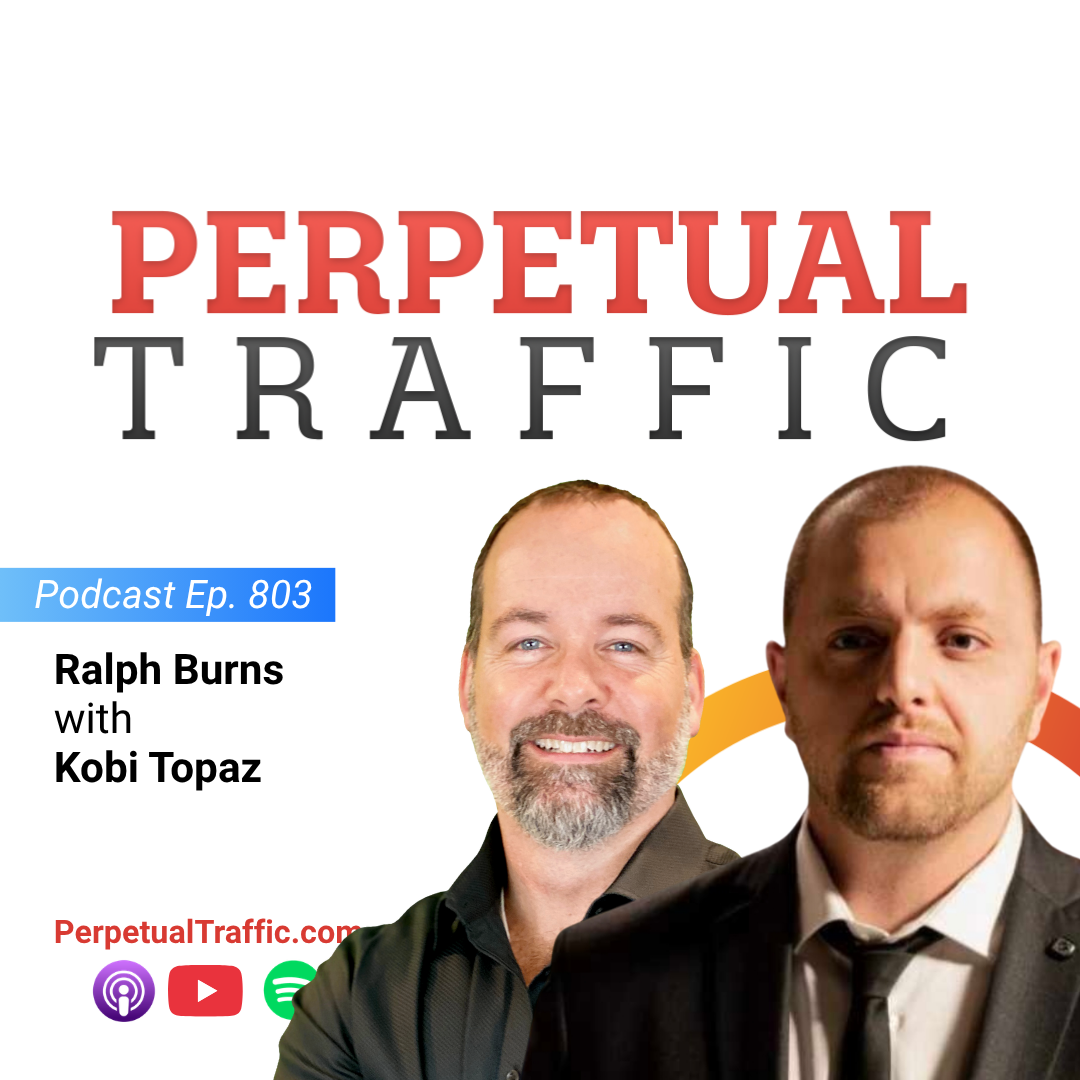
I sat down with Kobi Topaz, Head of Tech at Tier 11, to break down how we helped an automotive parts brand uncover the data they needed to scale. We explored why platform-reported ROAS can be misleading and how Data Suite creates a reliable source of truth.
See how better analytics, smarter campaign restructuring, and deeper SKU-level insights helped this brand grow from roughly $5.5M in revenue to a $12M trailing twelve-month business. If you’re managing paid media and trying to scale profitably, this episode will help you focus on the metrics that actually drive growth.
In this episode:
- Why knowing your nCAC is critical before increasing ad spend
- Why platform-reported ROAS can hide the real performance picture
- How Data Suite creates a reliable source of truth across channels
- The role of first-click attribution and multi-touch analysis in growth
- Analyzing SKUs to uncover your most profitable products
- Why Google Ads optimization starts with business economics
- How creative performance analysis can accelerate testing decisions
- Using AI-powered tools to automate repetitive marketing analysis
Mentioned in the Episode:
The 5-Step Formula to Calculate nCAC: https://youtube.com/playlist?list=PLsQ90CAO8wGS1TSz-MI0ghv9OThhp_Jy4&si=N6uztGCaZwrkgMGN
Previous Episodes with Kobi Topaz: https://perpetualtraffic.com/?s=kobi
Tier 11’s Data Suite: https://www.tiereleven.com/what-we-do/data-suite
Partner With Tier 11 Marketing Experts: https://www.tiereleven.com/apply
Listen to this episode on your favorite podcast channel:
Follow and listen on Apple: https://podcasts.apple.com/us/podcast/perpetual-traffic/id1022441491
Follow and listen on Spotify:
https://open.spotify.com/show/59lhtIWHw1XXsRmT5HBAuK
Subscribe and watch on YouTube:
https://www.youtube.com/@perpetual_traffic?sub_confirmation=1
We appreciate your support!
Visit our website: https://perpetualtraffic.com/
Connect with Kobi Topaz:
Connect with Ralph Burns:
- LinkedIn – https://www.linkedin.com/in/ralphburns
- Instagram – https://www.instagram.com/ralphhburns/
- Hire Tier 11 – https://www.tiereleven.com/apply-now
Thanks so much for joining us this week. Want to subscribe to Perpetual Traffic?
Have some feedback you’d like to share? Connect with us on Apple Podcasts and leave us a review!
READ THE TRANSCRIPT:
$5.5M to $12.1M in 13 Months: What Happens When You Fix the Data First
00:00:00:00 – 00:00:07:04
Kobi
If you don’t know how much you can afford to acquire a new customer. If you don’t know the lifetime value, you shouldn’t really spend any additional dollar on traffic.
00:00:07:13 – 00:00:20:04
Ralph
And this is a company that came to us, but they wanted to be able to spend more. They wanted to be able to scale up to spend. And the question really wasn’t necessarily a campaign question. It was more of an analytics question.
00:00:20:10 – 00:00:22:17
Kobi
The first thing we did is we installed.
00:00:24:21 – 00:00:48:14
Ralph
Hello, and welcome to the Perpetual Traffic Podcast. This is your host, Ralph Burns, founder and CEO of tier 11. And if you’re Ncac is climbing and you’ve tried new creative, you’ve tried new strategies, you’ve tried new campaigns, and nothing moves the number. Probably you have a tracking problem, you probably have a platform problem. You probably have a campaign problem, but you don’t really know exactly which one to attack first.
00:00:48:14 – 00:01:16:11
Ralph
Well, the guy who’s on today’s show, as well as, guy that you probably know here on perpetual traffic, some guy named John Moran helped with that problem. We’re going to be going through that here today. And I am very, very excited to have boy band star Kobi Topaz, growth strategist now turned tech mobile head of all things tech inside tier 11.
00:01:16:13 – 00:01:20:10
Ralph
Back on perpetual traffic. So welcome back buddy. It’s been a long time.
00:01:20:12 – 00:01:23:04
Kobi
Thank you. It’s good to be back.
00:01:23:06 – 00:01:54:07
Ralph
So, before we get into today’s show, I kind of want to give you guys a little bit of a sneak peek into what Kobi has been cooking up inside tier 11, and we haven’t really talked about this too much on the show, especially since we’ve come back from our short hiatus. Is that a big focus for us as an organization and probably for you as an organization, whether you’re heading up a marketing department or you’re running a company, is how do I bring AI and tech into my company?
00:01:54:07 – 00:02:15:15
Ralph
And we have made a very, very strong push into the artificial intelligence realm, leveraging multiple platforms and Kobe’s role from growth strategies is probably the last time I think he was on the show. You were really more heavily involved in client accounts. We’re going to be talking about that client account here today, specifically on what you were able to do.
00:02:15:15 – 00:02:43:18
Ralph
But your main job now is actually is really is the AI layer is sort of the operating system in which tier 11 operates to get the results that we talk about on today’s show. So it’s not like the thing that we lead with, but it’s everything that’s underlying everything that we do to make our growth strategies, creative strategies, media buyers, all the folks that are within tier 11 use the platform in a right way in order to get results for clients.
00:02:43:18 – 00:02:54:10
Ralph
So I’m want to give a little sneak peek of one of your latest creations that, I don’t know. I don’t think the world even realizes you can do this kind of stuff with this tech these days.
00:02:54:12 – 00:03:21:18
Kobi
Yeah, absolutely. I’ll show my screen and then I’ll walk you through it. So we all know how time consuming it can be to analyze your ads, especially analyzing them across multiple platforms. It takes time to analyze the top performing arts. Does it or not, performing that well and understanding what makes a winning ad, and then also building that knowledge of all right.
00:03:21:18 – 00:03:51:13
Kobi
For this brand, the top ads usually have this in place. Then you put together some sort of formula structure that you learn based on the data, on what makes a winning ad for this brand. So part of my role as sort of as head of detective 11 is to help deliver trust, transform to a tech enabled service based agency, which doesn’t mean okay, use AI to summarize the PDF for client or propel you for a client call.
00:03:51:13 – 00:04:20:04
Kobi
But it’s also how we can leverage AI in a way that will expedite the team’s work. What the do will allow us to get the information we need, the data we need to make decisions faster so that our clients will be able to hit their goals faster than their competition. Competition. So one of the things we’re doing here, and one of the things that we’ve been working on and building is creating is an automated creative performance analysis report.
00:04:20:06 – 00:04:58:12
Kobi
Now, this one was shared by one of our awesome growth strategist, Thomas. He showed tool skills that he’s been using to put this together. And what I’ve been doing is I took these skills and improved them in a way that the data that they will, they’ll be coming from all the other platforms is much more accurate. I added Google, I had YouTube as well, and what this does is every month a creative strategist will get a breakdown of their ads across Facebook, Google and YouTube, and we get a breakdown of each individual ad, the ones that are performing the best based on volume and also based on efficiency.
00:04:58:14 – 00:05:22:05
Kobi
They’ll get information about certain trends that were identified, new ideas to test your angles, things that they can do to tweak the existing creatives to make them perform better. And they will get analysis on the copy as well. Out of the top performing ads, what’s what’s the thing that’s common on the copy side? How can we make the copy better for others as well moving forward based on the data?
00:05:22:06 – 00:05:56:17
Kobi
So all of this is being generated automatically at the start of each month, and it analyzes the performance for the previous month, and then the creative strategies and the growth strategies get this support. And then instead of them opening up the ad accounts on their own or using motion no disrespect to motion at all. But the point being is instead of them doing manual work to get the data, well, now they get the data automatically for them at the start of each month, and then that will allow them to quickly understand, okay, what’s working, what’s not working, what can we do better?
00:05:56:18 – 00:06:28:18
Kobi
And then they take my next steps. At the start of each month iterate, push and scale. Bevo. So the whole point here with this report is save time, get the data faster and help clients beat the competition much faster. So the analysis here is really in-depth. It’s analyzing the ads from the perspective of a creative side, not just from a perspective of okay, just push more spend as the tactical media bang tactic, but more so why certain headline works better than others.
00:06:28:19 – 00:06:55:15
Kobi
And one thing that’s important to share here is that we know creative is king. There’s no question about it. So when clients come on board in tier 11, we do what we call the Creative Strategy framework, which is essentially mapping up your bio personas, mapping up the type of creatives that will go along for each buyer persona in their customer journey, all in the way of all it, with the goal of moving prospects through their journey to ultimately becoming your customer.
00:06:55:17 – 00:07:19:13
Kobi
And then once they are your customers, get them to purchase from you more and more. So that’s in a nutshell, is a creative solution framework. But those are why I mentioned it is because this analysis also relies on the creative strategy framework that you built, and you should be doing onboarding. So it also tells you, hey, that persona that we mapped out on a creative framework is working better than these two personas.
00:07:19:15 – 00:07:41:05
Kobi
This type of content that we mapped out is performing well or actually doesn’t. There’s an opportunity for the creative story framework that we highlighted that one of you will utilize it. So launch these type of ads as well. So all of that information that we pull is based on the hard work that the team does for every client on onboarding an ongoing basis.
00:07:41:05 – 00:08:08:21
Kobi
So this constantly gets updated every month with information that we gather. So that way all the time the team knows what’s working, what’s not working, and what should we do. And it saves them hours. If you’re just doing this for one client, that’s fine. Probably once every two hours, maybe one hour. But if you’re if you’re a team that manages multiple accounts, that’s going to save you a lot of time and our team that’s going to save them a lot of time and help them get the results for the clients much faster.
00:08:08:23 – 00:08:36:10
Ralph
Yeah. And the thing is, when we talk about being a tech enabled marketing services company, it’s a whole idea is to have the tech do a lot of the repetitive work in analyzing, creative analyzing. Performance is the thing that people do. They spend an inordinate amount of time doing that. And this sort of crystallizes and is able to summarize how everything is working together, but also frees up time to think of higher level strategy.
00:08:36:10 – 00:08:56:17
Ralph
And we’ve had both of our growth strategists on here. We have other growth strategies here within two year 11 as well. But it’s like that’s the big thing with what you’re doing. And what we’re doing within your organization is not because we want to say we’re AI enabled or where AI driven and all that other B.S. that so many other agencies and companies talk about.
00:08:56:17 – 00:09:16:12
Ralph
It’s like, who cares about that? Like, how does it make you better so that you can produce better performance? And what we found is that if you enable the tech to do a lot of the repetitive tasks that you used to do, like analyzing ad creative, like creative strategies and the growth strategies, just like that is so much of what they do.
00:09:16:12 – 00:09:52:03
Ralph
This gives a summary of it. So it’s quickly you can figure out okay, this one’s getting the last click but this one’s getting all the awareness. This is how things are starting to work together multi-platform. And it enables people like Ricardo and and Thomas to be able to think strategically. And that’s the big part of this is like the humans are still doing this thinking the tech is enabling a lot of the repetitive tasks and boiling down the real summary that ends up that analysis turns into performance.
00:09:52:05 – 00:10:13:04
Ralph
And that’s the goal of of all of this tech and all of the AI, which you and the team are working full time on. And we’ve, you know, heavily invested in that side of the business because we feel that it’s so important in order to not only stay ahead, but also to get the best performance and deliver the best performances to clients.
00:10:13:06 – 00:10:15:16
Kobi
Exactly. I’m 100%.
00:10:15:18 – 00:10:46:05
Ralph
So taking that, there is a fair amount of analysis and probably some AI beneath the surface on today’s sort of case study, which which is which is really cool case study that we’re going to be talking about here today. And maybe we can just sort of set this one up, and then also talk about, as you were going through it, like which parts of this you did use some of the tech that you’re using.
00:10:46:05 – 00:11:09:11
Ralph
I know, obviously the pod companion, which is something that we haven’t talked about here on the show ever, is a huge part of everything that we’re doing now. But this is a company that came to us mid 2024 thereabouts. Yeah. And the stated goal for them wasn’t really rescuing them from going out of business or anything that’s sort of severe like that.
00:11:09:11 – 00:11:31:09
Ralph
But they wanted to be able to spend more. They wanted to be able to scale up their spend. They wanted to consolidate some of their store fronts. And then the real question that they had is how hard can we push? And the question really wasn’t necessarily a campaign question. It was more of a, an, an analytics question and a tracking question.
00:11:31:09 – 00:11:51:01
Ralph
So give us a little bit of a background of this company. Obviously we’re we’re going to keep name, shall remain nameless at this point. They’re in the automobile part space. That’s basically all we can talk about at this point. So the huge is huge, like I would say multi-billion dollar or maybe even trillion dollar industry at this point in time.
00:11:51:01 – 00:12:02:09
Ralph
So set this thing up for us and talk about like what the problems were, what the downside risk was if they didn’t fix this problem. And obviously we’ll start talking about the solutions here as well.
00:12:02:11 – 00:12:28:17
Kobi
Yeah. So they came to us and they’ve been running ads on Facebook and Google in-house. And they’ve been wondering how hard can they push the ad spend and go the business. But what they didn’t know is actually how much they can afford to acquire a new customer, which is, let’s say you correct me if I’m wrong, one of the the most common questions we or common questions we get from prospects are they don’t really know their numbers.
00:12:28:17 – 00:12:50:04
Kobi
And what are the main issues we see when we talk to prospects is no one really knows their numbers. So if you don’t know how much you can afford to acquire a new customer, if you don’t know their lifetime value, you shouldn’t really spend any additional dollar on traffic until you fix that. Because it comes down to your business, economics, your profile, uniqueness, and creatives as well.
00:12:50:06 – 00:13:09:06
Kobi
So if you don’t have the economics dialed in, it doesn’t matter because you’re just going to go blind. So they didn’t know how much they can afford to acquire a new customer. In addition to that, they didn’t really have a source of truth, a reliable, unbiased source of truth that they can use to analyze the performance of their campaigns.
00:13:09:07 – 00:13:34:10
Kobi
They were looking at the data in Google. They were looking at the data on Facebook, and they saw that Facebook was just exploding itself with massive loss, which primarily was social users. And it will just pick it. Picking the most of the effort that Google was doing. Google was about 90% of those spend, so they didn’t know the numbers and they didn’t have a reliable source of truth to really understand what’s going on.
00:13:34:10 – 00:13:58:09
Kobi
Those are the two main issues they had. There was some issues on the account structure on Google that were identified doing the audit. But even if you nail down those technical issues on on another account, it still won’t help you understand how much further you can push, because you might push spend, you know, end up going out of business because you don’t know your left hand.
00:13:58:09 – 00:14:15:12
Kobi
What do you do? Not you don’t know your colleagues. You don’t know your desired profit margin. You don’t know anything. So you don’t really know how much you can afford to acquire customer. So they came to us with those with those issues. We identified them doing the audit. And then the first thing we did is we installed data suite for them.
00:14:15:14 – 00:14:35:00
Kobi
And one of the main things about data suite is that it provides you an unbiased source of truth, which means that it’s a separate platform that’s connected to your other platforms, that also looks at your website and knows when someone clicks on an ad, which are they clicked on? When do they land on the website? Did they purchase?
00:14:35:00 – 00:14:54:08
Kobi
They did not purchase? Did they click on an ad often then and then clicked on an email and then made a purchase? After two weeks, all of those stuff are visible within that source of truth, right? So when we installed it and we started letting the data come together, we then started going on the other account and helping them fix the issues.
00:14:54:10 – 00:15:16:05
Kobi
And one of the main things that as well we did initially was helping them figure out how much they can afford to acquire a customer. So for those of you that don’t know how to do that, there’s a playlist in our YouTube channel on how to do that. Five steps to of calculating your own cat. So go ahead and watch it before you do anything else in your life.
00:15:16:06 – 00:15:17:07
Kobi
Watch that playlist.
00:15:17:11 – 00:15:21:15
Ralph
We will put links in the show notes for that for sure. Yeah. So yes.
00:15:21:17 – 00:15:41:16
Kobi
Once they identified what’s their Ncac? Because when you identify your own fact, you know, okay, I have a client that touches purchases, let’s say twice a year. And they spend X amount of money in that year. All right then I know my Cogs. I know my refund rate in chargeback. I know my desired profit margin. I reduce also the opex as well.
00:15:41:22 – 00:16:02:08
Kobi
That gives you a number that you can use and say, okay, that’s how much I can afford to acquire a customer. So when you combine that number and when you combine the data you get from the unbiased source of truth, then you know, okay, you know, what these campaigns or these ads, the cost to acquire a new customer is for the wolf.
00:16:02:10 – 00:16:22:01
Kobi
All right. We need to kill those ads. It gives you a much better clarity on what’s actually going on. So then you can make smart decisions that are data driven decisions and not based on assumptions. So we restructured the ad account. Once we know the know the Ncac, we got the source of truth in that was done by our awesome senior tracking specialist, JJ.
00:16:22:03 – 00:16:42:16
Kobi
Then we started analyzing the data, and we saw that certain campaigns on Google are doing really well on acquiring customers based on first week. All right. Let’s push more spend towards those campaigns. We also analyzed what are the top products that are being done. New customers are purchasing. Then we started segmenting campaigns based on these products as well because you can’t argue with the data.
00:16:42:18 – 00:17:03:21
Kobi
If Shopify and Wicked reports tell you that, hey, these five products, your new customers are producing them the most. These are the ones that you should focus on. Now, one might wonder, you know what this product that people purchase. I don’t get to make too much money out of it, so why should I keep pushing it? If you have data suite, then you know the lifetime value of your customers.
00:17:03:23 – 00:17:27:19
Kobi
Then you know that if a customer purchased that initial product with low profit margin, and then they get back to your website after a week or two and they did the purchase other products. So that way you know that, okay, the lifetime value actually is higher than my original Ncac, so I can tolerate the loss on the first purchase, but then I make up for it so much more in the second or third purchases.
00:17:27:21 – 00:17:51:15
Kobi
And then, you know, there are three ways to grow a business. Either you acquire new customers. No shit Sherlock, you get them to buy more frequently, but when they buy you get them to spend more money. So that’s why when you do those things and you have the the unbiased dashboard in your hand, then you can truly understand all right, that’s my lifetime value.
00:17:51:17 – 00:18:10:03
Kobi
That’s my customer lifetime value. That’s that’s how much it cost me to acquire a new customer. Then I know where I can put spend I know which campaigns are working better on the first week, which campaigns are actually closing the sale and helping support the other campaigns as well. It’s not an issue of one channel. Does better than the other.
00:18:10:03 – 00:18:31:01
Kobi
It’s a mix. So when you have the data, when you look at different attribution models, that gives you a better understanding of what’s going on and how the the ad platforms are working together. So identifying the numbers, restructuring the account and understanding the lifetime value and what what moves the needle. That’s what really helped us scale that that brand.
00:18:31:01 – 00:18:50:04
Kobi
And you know, we also identified that people come in and they approach us once and that’s it. They don’t really come back. The LTV increases slightly after a couple of months by about 11%. And that’s it. The reason why we were able to see this is because we have the data. We have the data that shows us the lifetime value of a customer, a month of a month.
00:18:50:06 – 00:19:10:02
Kobi
So then by having that data, we told the client, hey, you know what? You’re making great work at acquiring new customers and also at a great profit, but they don’t really give back and buy and buy from you again too much, too frequently. So you’re spending your hard earned money on acquiring them, which is good. But why don’t you get them back so they can purchase again?
00:19:10:04 – 00:19:32:18
Kobi
So that’s when the clients started working on implementing email sequences as well for customers that purchase products. And that really helped moving the business in the right direction. Before they when they came to us in mid 2024, they were averaging about $450,000 a month. Then when you actually got to work with them, they were averaging about half million dollars.
00:19:32:20 – 00:20:03:23
Kobi
Now on Black Friday they did over $1 million. And now every month is over $1 million. Thanks to our work. And the client said this sentence, now, every every month is a Black Friday month, which I think is like the most fulfilling thing anyone in our space can can hear. Because it’s not just help clients grow so you can make more money as a business like us, as an agency, it’s also you help them grow, you help them achieve their purpose.
00:20:04:01 – 00:20:29:06
Kobi
And when they are able to grow, they hire more people. So they when they came to us, they were a team of about, I think four, six people. Now they’re ten. So when you’re helping the business grow, it’s not just money for you and them. It’s also creating more job opportunities. And I know I’m getting to be able to be eligible of no fancy here, but it’s like you’re helping more people put brand on the table, which I think that’s the main thing.
00:20:29:11 – 00:20:34:10
Kobi
It’s not just, yeah, we scaled you three times.
00:20:34:12 – 00:20:52:03
Ralph
It’s not just all about the money, but the, the money is pretty significant. I think you’ve mentioned this. Like, when they came to us, they were about a $5 million or $5.5 million company. And right now their RR, their their revenue trailing 12 months is about 12 million.
00:20:52:03 – 00:20:53:01
Kobi
Okay.
00:20:53:03 – 00:21:21:22
Ralph
I mean, it’s 120% gross and which is an insane amount in a very, very short period of time. And keep in mind what we’re primarily doing, our role in this is consulting. So which is something that we haven’t really talked about here on the show all that much. Because but consulting and strategy is the most important thing because everything else is just it’s just tactical.
00:21:22:00 – 00:21:40:08
Ralph
A lot and a lot of ways. And I and I want to simplify that by any stretch, because there is a lot of very important tactical elements to this. But it’s the strategy of being able to understand, okay, first off, we can’t scale until we figure out what your ancak is and that’s your cost to acquire a customer.
00:21:40:08 – 00:22:03:19
Ralph
And if you’re not sure how to do that, we will certainly leave the link in. Or just Google tier 11 Ncac YouTube. You’ll see it right there. But also you can grab our our our calculator, which we use in various iterations of it on every client that we work with over at tier 11.com/ncac. So definitely pick that up.
00:22:03:21 – 00:22:35:19
Ralph
If you don’t know what your cost to acquire a customer is. The really interesting part to this I think, is they have not diversified away from Google like Google is actually is the thing that right now is what’s driving the business forward. And a big problem that I usually see when I talk to prospects and people that are listening to this show, and then that maybe even applying or talking to us at some point in time is that they’re very, very Google dependent and they haven’t been able to scale.
00:22:35:21 – 00:23:09:13
Ralph
And then so our solutions typically, well, you need to start shifting some of that over to the interruption based platforms. However, that’s not a one size fits all approach. The interesting part is that you guys said you can optimize your Google. And first off, you got to figure out how much you can acquire a customer for. But then one of the most basic things, one of the most basic things, if you’re a director of marketing, a CMO, a CEO listening to this is and I had two calls with clients this week talking about this very thing.
00:23:09:15 – 00:23:30:12
Ralph
We went into your analytics and we found this is your top selling product. And oh, by the way, it actually has your highest gross profitability. It’s your top seller for this brand. And then for another brand like this product is what people buy the most. It’s your top selling product and it’s your most profitable. And then there’s a secondary product that goes along with that.
00:23:30:18 – 00:23:52:12
Ralph
Let’s focus all of our efforts for, in this case, Facebook on those two products and those two different businesses. And it’s like the most simple thing people what we what we did is we went back and we looked at where is everybody clicking to or the clicking to some other product, but then they eventually purchased the best seller.
00:23:52:14 – 00:24:12:12
Ralph
Why are we even sending traffic to the one that just got the click? So the point is, this is like thinking about that. Now I know you guys did this with the SKUs because there’s a ton of SKUs here with this, with this customer is let’s focus. Let’s look at the analytics. Let’s dive deep into the analytics. Let’s figure out what those top sellers are.
00:24:12:12 – 00:24:41:07
Ralph
Because if they’re buying then then there might actually become lifetime value increases as well because they end up purchasing more of that product or other products after the fact. So those two things for me are like a real actually sort of three things. Optimizing Google Ncac and then sort of the basic of basics like send your traffic to your best seller, and the one that just so happens to be the best seller in this case, I think is fairly profitable with the Ncac that you guys figured out.
00:24:41:09 – 00:25:02:04
Kobi
You know? Exactly. So you can’t argue with the data. That’s the one thing I always say. You got to get the right data in place. And the other part of of data set is that will be once we installed it, we were able to send the other platforms more reliable data back on when actually someone really made a purchase.
00:25:02:06 – 00:25:27:11
Kobi
And that way when you’re sending the other platforms more reliable data that way it helps the algorithm optimize even better. Even if it’s just a 10% lift in the MQ score on Facebook. Doesn’t matter if it’s small lift. If the other platform has more visibility then it had before, that’s great. You know you’ve done your job. So when you combine all of that stuff together, that’s really the recipe for data.
00:25:27:11 – 00:25:48:13
Ralph
Is is everything I know it’s not like the super sexy exciting part, but I mean, without it, I mean, that’s the screen share that we did to start the show. And if you’re watching this, if you’re listening to this, you want to see some of this in action. Definitely check us out all over our YouTube channel which is professional traffic.com/youtube.
00:25:48:15 – 00:26:06:00
Ralph
And also if you don’t know what your end cake is, I’m going to say it again, because this is one of the biggest problems that we see all the time. Figure out your own cake. Get our own cake calculator at two 11.com/ncac. Tell me about a walk me through, like the Ncac like ceiling calculation that you guys did here.
00:26:06:00 – 00:26:24:04
Ralph
Because that’s not. And so and this is not an easy thing, especially if you’re talking about lots and lots of SKUs. And then you’re focusing in on your best sellers. It’s a bit of an evolution. It’s a bit of a process. I know you and JJ did a lot of work with this client on that specific thing. Tell me, explain that a little bit more.
00:26:24:06 – 00:26:44:23
Kobi
Yeah. So the initial audit was done by John Moran, the one and only. And then basically what the client started doing is they looked at the lifetime value that they have of the customer. So they pretty much looked at how much was still yearly revenue then divided by that by the number of new customers, which is the basic way to calculate your 12 month lifetime value.
00:26:45:01 – 00:27:10:12
Kobi
Yeah. Then they reduced the Cogs or just drill down to the gross margin that they have after all the cogs. Then they reduced the refunds and charged back a small percentage. Then they also how they were able to calculate, like a fixed amount of fulfillment for each customer in addition to the Cogs. So not just the Cogs, but also the OpEx or the legal insurance, all the other stuff that goes along.
00:27:10:17 – 00:27:30:04
Kobi
Right. Rent everything else. So then they came up with a number of how much does it cost to fulfill a customer, a new customer. And then after they removed all those numbers, they were able to come up with an exact target for us. And that target also was factor in their desired profit margin as well in those space.
00:27:30:06 – 00:27:49:05
Kobi
Now this brand specifically, they have products that they produce and sell on their own, but then they also serve as a reseller for other brands as well. Right? Okay. So that’s 30% of a gross margin was pretty much a combination of everything. And, a safe, number that they can walk off because they know they have the wiggle room.
00:27:49:07 – 00:28:09:21
Kobi
And then once we started pushing more spend, they will look for the numbers again and again. And we saw that, okay, the business is moving in the right direction. They’re not losing money, which was good. So we were able to triple the spend or increase the sales by 120%. And everything is moving right in, in the right direction.
00:28:09:23 – 00:28:30:15
Kobi
And in addition to that, the contribution margin that’s left after that was much better than it was before. So it’s not just that we bombed a spammy bump. The revenue is really what’s left after the cogs, after everything else and after the ad spend. So they had left over almost $900,000 more than they had before they started working with us.
00:28:30:17 – 00:28:41:16
Kobi
So when you remove all the expenses and ad spend as well, what’s left after all of that? And that’s another thing that businesses need to look as well.
00:28:41:18 – 00:29:17:07
Ralph
So the skew selection I find interesting because you can either have and this is a question for companies that have tons of different products, is how do I determine my cost to acquire a customer? Well, I’m selling some products for $1,000 and other other products for $100. Like a blended Ncac is a good starting point. But I also know that if you combine that with what does the market by the most meaning your most popular products, and then analyzing the gross profitability on that specifically?
00:29:17:09 – 00:29:24:03
Ralph
I think that was a big part of this discussion, is that sort of skews selection. Correct me if I’m wrong or. Yeah.
00:29:24:05 – 00:29:47:10
Kobi
You know. Exactly. We look at the ones that new customers were purchasing the most and what had was what has the highest demand as well, but also a solid margin for them. Then we started focusing on demos on them. Specifically. I would say if you don’t have the data, you don’t know exactly what to focus on. I mean, you obviously still need to know what are your best sellers, so focus on them, even if it’s just three.
00:29:47:12 – 00:30:04:06
Kobi
But then once you have data suite, then you’re able to know the lifetime value of a customer after they purchase any product that you can think of. To just plug the product in the filter, and then you’re able to see the lifetime value of that, of those customers that purchase this product for the first time. So that gives you an additional insight.
00:30:04:08 – 00:30:26:00
Kobi
Okay. You know what? For this product, the lifetime value of a customer is X on that product after six months the last time. But it doesn’t grow so much. Maybe I shouldn’t invest too much on that product so that gives you an additional insight that you can, use. In addition to that, with data with you can also see okay, top products, top five products for this.
00:30:26:02 – 00:30:47:08
Kobi
But then after customers purchase those products, they were they purchased these products as well. So that gives you an idea of all right I can put together some bundles. I can put together email flows of customer about X, offer them Y after two months for example. All three weeks depends on your cycle or when is the next logical step for a client to think, okay, I bought this product.
00:30:47:08 – 00:31:14:21
Kobi
It sold me problem problem A now I’m facing problem B I could use a certain product as well. So in that time you come to them with an email of hey, you purchase this product. This option, it goes really well with it. You can do that in an email sequence. You can do that as part of a bundle as well, or an upsell immediately after the first purchase, because we know that so often people make a purchase, they have the dopamine rush, which my wife always has when she sees me, of course, because how could she not?
00:31:14:21 – 00:31:24:00
Kobi
But then you offer them, once you have the data, then you can play with it however you want. Upsell, email sequence, whatever.
00:31:24:02 – 00:31:54:15
Ralph
And that’s the that’s the sort of stitching together of the data after the fact, whether it’s on site or whether it’s on email. And I think the initial recommendation was email, and I don’t know if they’re doing a whole lot on bundling on site. It sounds like they did one first. It’s like looked at the data, figured out, okay, when people purchase this one product, they typically will buy these other products or they might even repeat purchase specific products in some cases.
00:31:54:15 – 00:32:13:02
Ralph
So the data was already there. And even if you don’t have data suite, if you’re doing this just behind the scenes, you can do this inside your Shopify store. Like this is some of the stuff that you should be analyzing and spending all your time doing. If you’re a business owner or marketing manager and letting the AI do the repetitive tasks.
00:32:13:02 – 00:32:40:08
Ralph
But anyway, you should be doing that. Just as a general rule, however, our data suite makes it extremely easy to be able to extract this kind of data, but it was the A of a combination of like the average order value plus the LTV, which led to this 120% growth and focusing in on what the top five products thereabouts on Google and Google search and Google shopping about ten.
00:32:40:08 – 00:32:57:10
Kobi
Yeah, ten, ten, ten to start with and then expand on even more. So it was first of all, the top sellers. And then we expanded further to products that had the highest AOV as well. So that was a separate campaign. So once you have that data, you can go crazy with how you structure your campaigns accordingly.
00:32:57:12 – 00:33:21:07
Ralph
Yeah. And this is really this is just all on Google. This is almost like this whole case study here is almost like for me like it’s step one in a lot of ways because I think there’s a lot more scale once you start to add, you know, I, I forget what the percentage of overall spend is, is like, you really saw a lot of optimization ability on the Google side.
00:33:21:09 – 00:33:40:06
Ralph
But as you look sort of into the future here, how will there medium exchange, are you starting to recommend some of the more interruption based platforms? I know there is maybe some YouTube that you guys are using here as well. Like what’s your sense as far as how this looks future wise? Next steps to continue the growth.
00:33:40:08 – 00:34:06:08
Kobi
Yeah. So I definitely see if we’re going to keep in that pace. We’re going to hit a point of diminishing returns on 100%. So that’s why was kind of pushing more on Facebook, putting together the right creatives for Facebook to generate that the willingness initially because right now Facebook, it acts more of a supporting channel for Google, which isn’t a bad thing, but you don’t want to put all of your new customer acquisition efforts in one platform.
00:34:06:10 – 00:34:27:14
Kobi
You want to extend that to other platforms as well. So before you pushing that on Facebook, you want to make sure you have the right creatives as well. So definitely a mix as well. And then once we start to see Facebook cranking up numbers and perform starts, performance starts to be more stable and in Facebook then obviously you can shift more spend as well.
00:34:27:16 – 00:34:50:21
Ralph
And that’s where all that data analysis that we talked about in the first few minutes of the show here, it becomes so important to sort of that next stage, because right now this is largely Google Shopping, Google search for high value, high intent based keywords. Maybe some branded search. But like you’ve been able to be able to figure that out just to now it’s almost like the economics of the business is really is.
00:34:50:21 – 00:35:12:13
Ralph
The whole strategy here is like understanding all of that. And if you can understand all of that, all it has to be powered by good data, by click data that’s not modeled, that’s actual click data and real world economics of the business to determine, okay, how much more scale do we have in this platform. Let’s max that out as much as possible.
00:35:12:15 – 00:35:29:08
Ralph
Once we solve that, then where else do we go for that next level of scale? If they want to do that? I don’t know what the goal of the client is, but yeah, they’re doing pretty well in their own right now. But I do know this is if you rest on your laurels, somebody is going to knock you from that top spot.
00:35:29:08 – 00:35:56:02
Ralph
And I think that’s the most important thing in, in many cases is once you reach a level of success, what are you going to do next to continue that growth? Because the stuff that got you there ain’t the thing that’s going to get you where you ultimately want to go. Well, this is this is impressive. I wasn’t originally I sort of had some reservations of bringing this one up on the show, but the numbers are so good.
00:35:56:04 – 00:36:18:16
Ralph
And keep in mind, like the company itself is doing all of the media by and all we’re doing is just consulting and helping them. And the growth, like their return from our service is pretty insane here. The point is this is that there’s a lot of ways in which to help businesses, and we try and sort of figure out what it is.
00:36:18:16 – 00:36:51:14
Ralph
What is it, do it. Like, I can see this business, you know, having us do the creative into the future, especially as they expand out onto the meta platforms. But it seems like it’s a logical next step. However, you guys inside of the data team here with the consulting side of things, have been able to really give them those insights into your experience and how you’ve been able to grow businesses through a lot of your work that you’ve done here, but most importantly, just nailing the data component, because without that, you’re completely flying blind.
00:36:51:16 – 00:36:54:08
Kobi
Exactly. 100%.
00:36:54:10 – 00:37:11:17
Ralph
So we will have to have you come on for like phase two of this. But it’s been, you know, a year and a half or so of great growth. And also pretty cool to have you on to show some of the things that we’re doing, sort of behind the scenes on the AI side. Anything more to add before we wrap this one up.
00:37:11:17 – 00:37:33:02
Kobi
Let’s go to YouTube and watch the playlist on how to calculate your rank. You’d be surprised to know that maybe it’s not the right number that you think you can afford to acquire a customer, and you might be more surprised that your current agency doesn’t even know that number, though, so get that number ASAP.
00:37:33:04 – 00:38:02:17
Ralph
And download the calculator as well, because I think it does actually refer to it. So like I said, to your lab on YouTube, Ncac check that out. I think it’s a 5 or 6 video series, but we go into it pretty much in depth. We’ve done many shows on this. Maybe we should redo a show is me and you at some point in time to reiterate the importance of that, because that is everything is understanding that and then understanding your business, understanding the economics and the metrics that really actually matter.
00:38:02:17 – 00:38:20:01
Ralph
We don’t really care about the stuff that the platform says. We look at the source of truth. Thankfully, we’ve got to 11 data suite to be able to do that. However, you gather that source of truth, the ultimate source of truth is really is we are collecting the money, whether it’s on the back end of your Shopify, your CRM.
00:38:20:01 – 00:38:40:00
Ralph
Like that’s it. That doesn’t lie. The platforms themselves are going to over inflate and you can’t really trust it. Yes, we do use all the platforms in order to make decisions. However, we sort of take everything and aggregate and how all the platforms are working together. And the source of truth ultimately is money in your bank account profitability.
00:38:40:01 – 00:38:46:12
Ralph
And you’ve been able to, increase both of those things with this client here, which is absolutely awesome.
00:38:46:14 – 00:38:50:06
Kobi
Yeah, Joseph, it is a fun ride, I must say.
00:38:50:08 – 00:39:09:15
Ralph
And continuing to do so. So anyway, so boy band hero Kobi Topaz, great to have you back on Perpetual Traffic. It’s been way too long and I think the last time we had you on you were being bombed and missiles and there is a, there’s a break in the action right now, which is good. I’d be happy to hear that.
00:39:09:19 – 00:39:20:10
Ralph
I haven’t heard any explosions in the background, I think. And then I show I’ll leave a link in the show notes. So I think when you were on, there actually was an explosion and you had to, like, leave. So anyway.
00:39:20:12 – 00:39:34:07
Kobi
It happened to me as well once in the, in a client call and the client was just terrified. And there was a siren going on. I had to go to the shelter, and then I came back in. All right. So meta said one, two, three, four. And then he was like, how are you even talking to me right now?
00:39:34:07 – 00:39:37:00
Kobi
It’s just they couldn’t understand it.
00:39:37:02 – 00:39:56:17
Ralph
It’s it’s mind boggling. If you haven’t guessed, Kobi is actually is in Israel. I’m just sort of assuming people know that, and it’s mind boggling for us in the US. Like living our soft lives. Like how much more challenging in some other areas of the world, especially where you’re at right now. Glad you’re safe. Glad you’re here, guys.
00:39:56:18 – 00:40:20:18
Ralph
You’re not in your military uniform right now. We got you in these civvies here today as the tier 11, head of tech. You can check, Kobi out over on his LinkedIn profile. Don’t message him too much because, you know, says after these shows, he gets, like, spam death. So just be kind there. But, we will leave all the links in the show notes over at Perpetual traffic.com.
00:40:20:18 – 00:40:35:07
Ralph
We’ve mentioned a lot of resources here, so we want to make sure that you get all that. It’s the reason why we do this show, to teach people how to do this stuff the right way through metrics that matter and growth at scales. Thank you for coming on today’s show, Coby Topaz.
00:40:35:09 – 00:40:37:21
Kobi
Thanks for having me.
00:40:37:23 – 00:40:47:09
Ralph
Until next show. See you here.