

Grab the FREE Black Friday, Cyber Monday checklist with all nine tips and watch-outs here: https://www.tiereleven.com/bfcmtips
Most Black Friday budgets don’t fail on the big days. They fail in the choices around them: what gets pulled from evergreen, how early you start spending, and how little you leave for the weeks after. Get those wrong, and the promotion can’t save you.
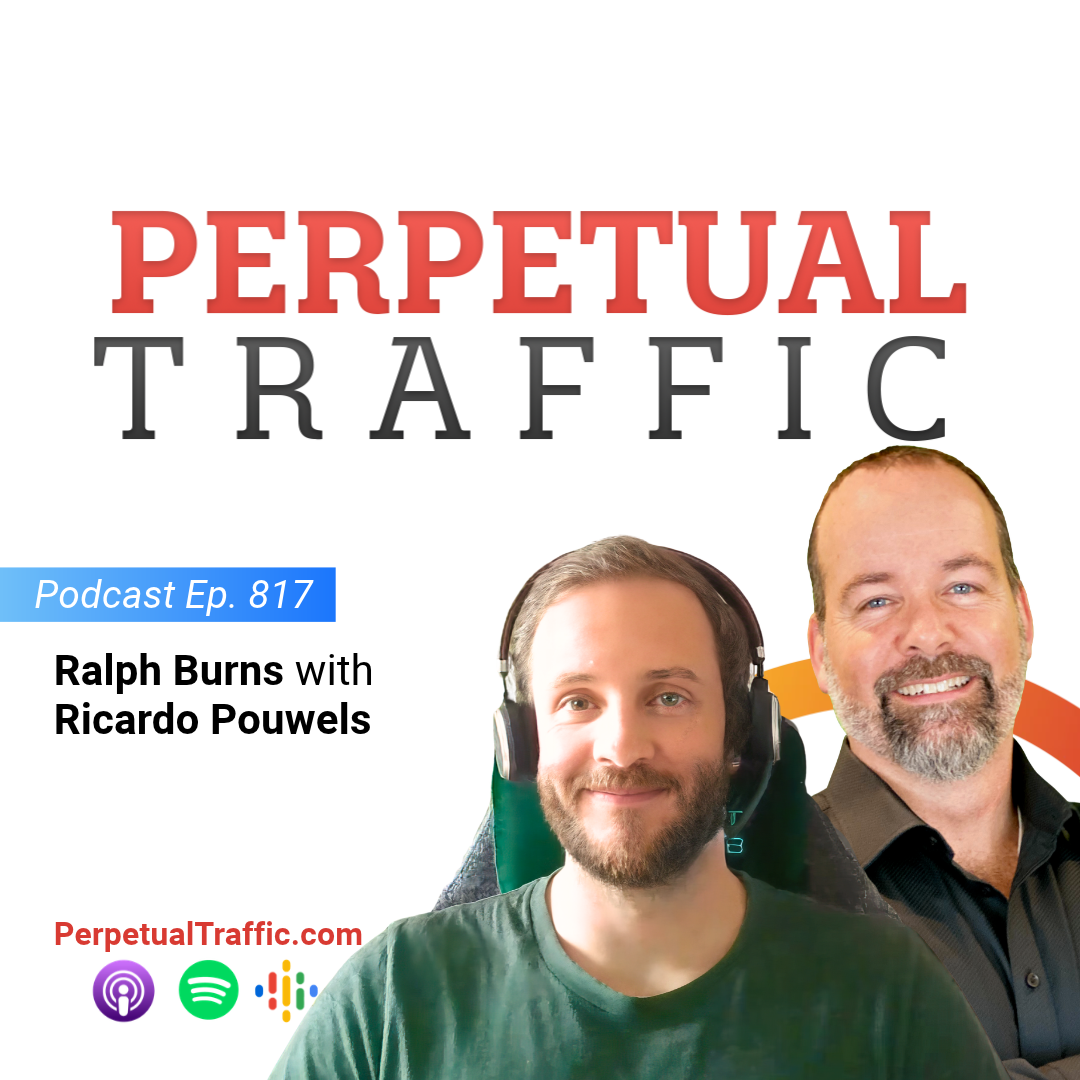
I sat down with growth strategist Ricardo Pouwels, who has 10-plus years of Black Friday, Cyber Monday campaigns behind him. His biggest mistake was underspending in early October, then watching a promotion fall flat with zero uptick in sales.
We break down budget pacing, promotional versus evergreen creative, and how Meta’s Andromeda changes affect warm audience targeting. You’ll get real benchmarks for promo budget splits by price point, a simple way to pick an offer without wrecking your margins, and a plan for the post-promotion hangover.
In this episode:
- Black Friday Cyber Monday ad budget pacing
- Meta Andromeda’s impact on warm audience and retargeting strategy
- Cold versus warm audience splits before BFCM
- Balancing promotional and evergreen creatives in Meta Ads
- Promo budget benchmarks for different buyers
- Using contribution margin calculations to compare discount scenarios
- Timed and exit-intent pop-ups vs immediate full-screen pop-ups
- Planning for the post-Cyber Monday sales hangover
Mentioned in the Episode:
Previous Episodes with Ricardo Pouwels: https://perpetualtraffic.com/?s=ricardo+pouwels
Tier 11’s Data Suite: https://www.tiereleven.com/what-we-do/data-suite
Listen to this episode on your favorite podcast channel:
Follow and listen on Apple: https://podcasts.apple.com/us/podcast/perpetual-traffic/id1022441491
Follow and listen on Spotify:
https://open.spotify.com/show/59lhtIWHw1XXsRmT5HBAuK
Subscribe and watch on YouTube:
https://www.youtube.com/@perpetual_traffic?sub_confirmation=1
Connect with Ricardo Pouwels:
Connect with Ralph Burns:
- LinkedIn – https://www.linkedin.com/in/ralphburns
- Instagram – https://www.instagram.com/ralphhburns/
- Hire Tier 11 – https://www.tiereleven.com/apply-now
Thanks so much for joining us this week. Want to subscribe to Perpetual Traffic?
Have some feedback you’d like to share? Connect with us on Apple Podcasts and leave us a review!
READ THE TRANSCRIPT:
Last-Minute Black Friday Ad Strategy: What to Do Right Now
00:00:00:00 – 00:00:08:00
But I’ve made that mistake at least twice, I would say, to not spend enough early in October and then the promotion just kind of fell flat.
00:00:08:00 – 00:00:11:00
We didn’t really see an uptick in sales whatsoever.
00:00:11:00 – 00:00:17:00
You’ve got maybe 48 hours before the biggest ad spend weekend of your year.
00:00:17:00 – 00:00:22:00
And right now, there are probably three decisions that you haven’t really even made yet.
00:00:22:00 – 00:00:26:00
Number one, how much to shift to your promotional campaign?
00:00:26:00 – 00:00:29:00
Number two, when to start front-loading your budget?
00:00:29:00 – 00:00:36:00
And number three, what happens after Cyber Monday when sales fall off a cliff?
00:00:36:00 – 00:00:38:00
Because they are going to happen.
00:00:38:00 – 00:00:48:00
Well, we’re going to answer all three of those today fast with growth strategist Ricardo Pouwels on today’s show so you can have the best Black Friday, Cyber Monday ever.
00:00:48:00 – 00:00:54:00
As a rough benchmark, it’s probably to start off with
00:00:54:00 – 00:01:54:00
Ralph Burns
Hello and welcome to the “Perpetual Traffic” podcast. This is your host, Ralph Burns, founder and CEO of Tier 11. And if you are in the thick of things, about to launch the biggest campaigns of the year in just a short period of time, maybe just hours away as you’re listening to this, well, today’s show is for you We have nine things that you want to keep in mind as you launch your campaigns and launch your Black Friday, Cyber Monday strategy. And there’s 10 years, if not 20 years, I’ve been doing this 20 years. Ricardo’s been doing it for 10 years plus. He’s made his fair share of mistakes. I’ve made my fair share of mistakes. Nobody is perfect when it comes to Black Friday, Cyber Monday, and we’re gonna talk to you about the mistakes that we’ve made and the things you need to watch out for, and also the ways in which you can adjust things on the fly if things are going well or if things aren’t going well for Black Friday, Cyber Monday.
00:01:54:00 – 00:02:40:00
Ralph Burns
How much percent you should offer off, what offer you should actually make, how do you adjust that offer if it’s working really well or not working well? Budgetary questions, like all of these things. There’s gonna be a lot coming at you in the next week or so, and if you’re listening to this prior to Black Friday or Cyber Monday, or you’re just looking for help because you were scanning through Apple Podcasts, you were hoping to find some kind of podcast, some kind of content that would help you, well, you’ve come to the right place here. And we’re gonna give you all of those nine tips and nine watch outs over in a PDF that you can easily download over at tier11.com/bfcmtips. That is tier11.com/bfcmtips.
00:02:40:00 – 00:02:53:00
Ralph Burns
So I welcome back to the show growth strategist extraordinaire, who’s gonna enlighten us and hopefully lessen your Black Friday anxiety. Welcome back to the show, Ricardo.
00:02:53:00 – 00:02:55:00
Ricardo Pouwels
Thank you, Ralph. I appreciate it.
00:02:55:00 – 00:03:45:00
Ralph Burns
So we were talking pre-record. you’ve done probably about 10 plus of these, and with the amount of traffic and growth and strategy and all the sort of things that you do in the digital marketing side of the equation, this ain’t your first rodeo. So the last time we recorded, we didn’t really have time to get into like the Black Friday, Cyber Monday stuff that we wanted to talk about. But seeing how it’s almost last minute as the time of this recording here, what are the some of the things that you would recommend or some of the things that you’ve learned over the course of your career to watch out for and maybe lessons learned or opportunities when it comes to this stretch of time? ‘Cause there’s a lot of ad spend on the line, a lot of people are discounting their products, and there’s a lot going on is my guess.
00:03:45:00 – 00:03:50:00
Ralph Burns
So what kind of advice or things that you’ve learned in the past would you say to those folks?
00:03:50:00 – 00:04:37:00
Ricardo Pouwels
I can probably start with two. Um, one is budget pacing, and the other one is promotional creatives versus evergreen creatives. And so now people usually run both of those at the same time, right? You have your promotional stuff with the discounts. It’s a lot of static images. But then you also have your evergreen creatives alongside. So I’ll start off with the budget pacing. the way I like to think about it is that I first try to determine the conversion lag for a client. Like if we’re talking about impulse buys, you don’t really need to spend a whole lot more before Black Friday, Cyber Monday. You can probably spend your, the majority of your November budget during those weeks, um, because those are impulse buys after all. If you’re selling a higher consideration product or service, people need time to research, to think about it.
00:04:37:00 – 00:05:31:00
Ricardo Pouwels
Maybe it’s a more expensive product or service, so they might need to save for it as well. If that’s the case, you will probably want to ramp up your budget, not necessarily your budget, but do more of that awareness and top-of-funnel investment before Black Friday, Cyber Monday, and make sure that you don’t cut your budget before Black Friday, Cyber Monday either. Um, you’ll probably still increase your budget during the actual days of Black Friday, Cyber Monday, maybe even for more retargeting. if you don’t spend enough before that week, you’ve not built the audiences, you’ve not filled your funnel with new people, not given them time to do the research, um, to then convert those people, right? Especially like maybe about two weeks before Black Friday. If it’s a more expensive product, people typically start to wait for a promotion, because nowadays almost every single store participates in Black Friday, Cyber Monday, so people are just expecting a discount of some sorts.
00:05:31:00 – 00:06:04:00
Ricardo Pouwels
so that also plays a role, right? don’t let that deter you from spending more earlier in October, because you will probably see lower efficiency early on, but you will make up for that later on when the actual promotion goes live. But I’ve made that mistake at least twice, I would say, to not spend enough early in October and then the promotion just kind of fell flat. We didn’t really see an uptick in sales, whatsoever. and ever since we’ve been doing more of that top-of-funnel investment earlier on, it has just paid off in or towards the end of October. So that’s the first one.
00:06:04:00 – 00:06:52:00
Ralph Burns
So the, I mean, there’s pre-planning that goes along with this, and we’ve done many episodes on this kind of lead generation anticipation going into Black Friday, Cyber Monday. And the interesting part to that is like that’s really building building warm traffic audiences to a degree, getting some kind of y- you know, promotional potential opportunity or sort of a velvet rope type of offer to be in a exclusive club that gets first crack at whatever that Black Friday, Cyber Monday promotion is. All of that is sort of like prologue to the actual day itself. With the Meta Andromeda changes that we’ve been all experiencing and leveraging for the last year and a half, almost two years now, can you really target warm audiences at, at this stage?
00:06:52:00 – 00:07:05:00
Ralph Burns
Or is it… Does that complicate things? Because it was really, it was in, in Black Friday, Cyber Mondays of the past, it was, “All right, what’s your email list? What’s your custom audience list? What’s your website custom audience list?” And just target those folks almost exclusively.
00:07:05:00 – 00:07:05:00
Ricardo Pouwels
Mm-hmm.
00:07:05:00 – 00:07:27:00
Ralph Burns
Is there any sort of targeting or any sort of last-minute adjustments from that standpoint that you would recommend as we’re going into, you know, within the next couple of days, you know, for a lot of businesses, like a huge increase in ad spend? Are there any sort of recommendations that you would make with the algorithm and the way that Meta is today as opposed to it might have behaved in the past?
00:07:27:00 – 00:07:59:00
Ricardo Pouwels
Um, it’s probably going to be the creative that does most of the targeting. So if you’re running more carousels, more static images, and you only have the promotion, so it doesn’t really sell or explain the product all that much, it will typically already go warmer, and it will probably hit your retargeting audiences as well. one thing we’re actually doing for some accounts, which I don’t know if this can still be done for all accounts, but if you now create new campaigns, I don’t think you can select whether it’s a custom audience or like a retargeting audience. Now, those are just exclusions. Suggestions, as you know.
00:07:59:00 – 00:07:59:00
Ralph Burns
Yeah.
00:07:59:00 – 00:08:18:00
Ricardo Pouwels
Um, but for some accounts, we’ve actually duplicated very old campaigns, and it had kept the old settings. And we can see that based on the frequency. So we actually have some campaigns that still go after website visitors or, cart abandoners. And based on the frequency, I can definitely tell that it’s very warm audiences. So it’s actually using-
00:08:18:00 – 00:08:18:00
Ralph Burns
Mm-hmm
00:08:18:00 – 00:08:32:00
Ricardo Pouwels
… that custom audience that we have uploaded, but it doesn’t, it didn’t work for any or every account I tried it on. So that might be worth a try to see if it can duplicate older campaigns that still have, the old custom audience functionality.
00:08:32:00 – 00:09:24:00
Ralph Burns
That’s interesting, though. I mean, it’s, it’s like, so you’re taking campaigns that you worked on two, three years ago, duplicating those and, or just setting… Obviously, you’re gonna be updating the creative and the offer because the offer is probably gonna be somewhat different. Maybe it isn’t. But it’s, that’s a cool kind of hack to sort of juice it because Black Friday, Cyber Monday is not about necessarily … all new customers. It’s people that are somewhat familiar with your brand who have been sort of waiting around for this promotion to be able to get, depending on whether it’s an impulse buy or whether it’s a, you know, a, a higher AOV purchase. You’re really trying to target the warmest of the warm audiences as much as possible with your advertising. Or are you at this point? Because I don’t think we’ve really ever talked about how to balance the two of those, especially with Andromeda, uh, you’re just, just, just changing everything within the Meta platform itself.
00:09:24:00 – 00:09:27:00
Ralph Burns
So where do you stand on all that?
00:09:27:00 – 00:09:31:00
Ricardo Pouwels
I would say I typically start off with very cold audiences earlier in November,
00:09:31:00 – 00:09:31:00
Ralph Burns
Mm-hmm
00:09:31:00 – 00:10:20:00
Ricardo Pouwels
… or even end of October. So let’s say my usual split is, um, maybe 80% cold, 20% warmer audiences. I might go as high as 90/10, like early in November. And then the closer we get to Black Friday, Cyber Monday, the more I invest in middle-of-funnel and retargeting audiences. Up until the actual days of Black Friday and the day of Cyber Monday, those are typically your two peak days, maybe the weekend in between, but that’s typically a little bit lower in terms of sales. so those days it might go as heavy as like 50/50 or 60 or even 70% warm audiences or middle of funnel. at that point in time, especially if it’s a higher consideration product, there’s not e- enough time left for completely cold audiences to do their research, to think about the product, to save money, and to make that purchase on the spot.
00:10:20:00 – 00:10:27:00
Ricardo Pouwels
So then I’d rather invest in the audiences that we’ve already built in the weeks leading up to Black Friday.
00:10:27:00 – 00:11:10:00
Ralph Burns
when it comes to budgeting, and you mentioned this when we first started talking about it, is let’s say you’ve got, you know, $1,000 daily budget and there’s a Cyber Monday, Black Friday, Black Friday, Cyber Monday. You, you heard that . I always try and put the Cyber Monday before Black Friday whatever the reason. My, my brain just sort of works weird that way. The point of this is, what percentage of your Black Friday spend is versus that evergreen spend? What’s your… Because you’ve got sort of the promotion campaigns, and then you’ve got those evergreen campaigns. Are you pulling budget from the evergreen campaigns and pushing that into the Black Friday, Cyber Monday campaigns, or is this additional budget? Like, what recommendations would you have there?
00:11:10:00 – 00:11:10:00
Ricardo Pouwels
Mm-hmm.
00:11:10:00 – 00:11:38:00
Ralph Burns
‘Cause you don’t want your evergreen stuff to be turned off completely, but I think that’s shifted a bit because Facebook is, or Meta is, going to gravitate more and more towards warmer audiences as opposed to cold audiences, especially on the images that you’re doing for the promotion for Black Friday, Cyber Monday. But how do you balance those two budgets together so that you’re, you are continuing this evergreen campaign? ‘Cause there is gonna be life after Black Friday, Cyber Monday versus the actual promotion itself.
00:11:38:00 – 00:12:30:00
Ricardo Pouwels
Mm-hmm. I like to do is to launch the Black Friday promotion a little bit earlier so that you can pretest your creatives and see if it’s the promotional creatives or your evergreen creatives that perform better, and then move budget around accordingly. reason being is because I noticed that for a lot of impulse buys, like lower consideration products, the promotional stuff typically performs better, because the people make a decision on the spot. The promotion do the heav- does the heavy lifting. Whereas with the high consideration products, you simply don’t have enough real estate on images to both sell the product or service and to communicate the discount. It’s typically either/or. Videos are a little bit different. So for those types of brands, I typically still invest a lot in, like, a top-of-funnel evergreen videos, because those usually sell the product.
00:12:30:00 – 00:13:18:00
Ricardo Pouwels
And then the promotional, creatives are there just to get that last click conversion. They do a lot more retargeting or people who’ve already been in market. Also, what I like to do for our evergreen stuff is to make sure that the clients communicate their, promotion in, like, a top banner, the website, for example. So that even if we don’t talk about the promotion in the ad copy or the creative, anyone that clicks over to the website, they will still immediately see that there’s a discount or a promotion. people typically expect it as well, so I don’t mind running evergreen creatives without any promotional talk at all because I know that people are still going to see the promotion on the website, which might even be a benefit because, that’s kind of a… People make it to the website, they didn’t see a promotion in the ad, but all of a sudden it’s discounted on the website.
00:13:18:00 – 00:13:29:00
Ricardo Pouwels
Maybe that’s a, an added reason to buy on the spot. Um, I noticed that we can s- definitely still run those evergreen campaigns even without, like, any promotional stuff.
00:13:29:00 – 00:14:09:00
Ralph Burns
Hmm. What are your thoughts on, and this used to be a trend years ago, and I think this has sort of gone away, is to have some kind of hover pop on the site on all pages. Like, you have banners that are always there, sort of either top or sort of below. In most cases, on top. But pop-ups or exit intent pops, any of that sort of stuff to just further reinforce, like, once they actually do click on the site, they may not pay attention to the banner itself. How, like, in the fa- in their face do you get, or what’s your recommendations for any of that sort of after-the-click promotion? and what have you seen work? What have you seen, like, not really working, or does it depend on the industry, which is-
00:14:09:00 – 00:14:10:00
Ricardo Pouwels
Mm-hmm
00:14:10:00 – 00:14:12:00
Ralph Burns
… probably the case, but what are your thoughts on that?
00:14:12:00 – 00:14:45:00
Ricardo Pouwels
More of a fan of exit intent pop-ups or a timed pop-up. I don’t like the ones that pop up immediately. to me they come across as invasive, and the times that I did try them, it did hurt the conversion rates because you make it to the product page or the landing page and all of a sudden you get usually a full screen pop-up, especially on mobile. so I would be more inclined to test a timed pop-up. So look at your average time on site, maybe reduce it by five seconds or so, maybe 10 seconds, and then have that pop-up show up after, let’s say, 20 seconds, for example.
00:14:45:00 – 00:14:46:00
Ralph Burns
Mm-hmm.
00:14:46:00 – 00:14:56:00
Ricardo Pouwels
That way you still get a lot of leads, you still get to show that promotion to a lot of people, but you don’t annoy everybody. So that would be my recommendation.
00:14:56:00 – 00:15:26:00
Ralph Burns
Yeah. Yeah, it’s the it’s the… And I’ve seen this mistake on a lot of Black Friday, Cyber Monday ads in the past, is as soon as you click, you’ve got this huge pop-up that’s just in your face, either talking about the event itself, talking about the discount, or e- even worse yet, oftentimes, “Hey, enter your email address to get 20% off.” It’s almost like it, it’s so much interruption that you’re trying to look for, like, where do I actually X out on the mobile site?
00:15:26:00 – 00:15:26:00
Ricardo Pouwels
Mm-hmm.
00:15:26:00 – 00:15:52:00
Ralph Burns
It’s hard to find. So you’re much more of a fan of let’s reduce that friction. Like, if they’re clicking, there’s intent there just to begin with, and make it a little bit more subtle as opposed to really in your face. Because I’ve sort of seen it go both ways. It depends on the type of business, obviously, but you’re more of a fan of the, more of the subtle reminder that, yeah, we are doing this X percentage on everything in the store Black Friday, Cyber Monday promotion.
00:15:52:00 – 00:15:54:00
Ricardo Pouwels
Mm-hmm. Definitely. Yeah.
00:15:54:00 – 00:16:39:00
Ralph Burns
So when it comes to those percentages, and this is always a question that I seem to get whenever I talk about any sort of promotion at all, Black Friday, Cyber Monday obviously being the biggest one. What’s your recommendation? What’s your sort of your frame of reference for products? Is, does it, is it dependent upon price point? Is it dependent upon impulse versus higher consideration purchase? Like, how do you sort of gauge when clients say, “Well, what should my percentage off be?” You know, I was at one of our clients a week or so ago where we talked about this very thing, and they wanted to go, marketing wanted to go deeper, but accounting and finance said, “No, we have to keep it up here.” So you’re sort of balancing a lot of times that internal debate and the effectiveness of the ads and the effectiveness of the promotion.
00:16:39:00 – 00:16:59:00
Ralph Burns
But what’s your benchmark and how do you sort of, you know, for anybody who’s just about to run that and still they’re like, “What should we give off? Should it be 20%, should it be 30? Should it be You know, 40?” like what, what’s your, frame of reference? What’s your recommendation when it comes to what type of percentage off or discount or special or anything else-
00:16:59:00 – 00:17:00:00
Ricardo Pouwels
Mm-hmm
00:17:00:00 – 00:17:03:00
Ralph Burns
… when it comes to the type of product or the, the price point of the product?
00:17:03:00 – 00:17:52:00
Ricardo Pouwels
Right. It’s good that you talk about finance, because I think that’s where it should start, right? What can you even afford to give away as a discount? if you have a low margin product, let’s say your margin is 20%, you probably don’t want to do a 15% discount, at that point. Like, your margins are way too thin. You’re not going to make more profit than without the discount. So that’s where it starts. the second step would be essentially asking yourself what sounds better. that com- goes back to, like, the product price point. So if we’re talking about a $20 product, giving $5 off doesn’t sound great, but 25% off sounds a lot better. Versus a $1,000 product, like 10% off doesn’t sound very high, but it’s still $100, right? So for that product, I would do up to $100 off or just $100 off.
00:17:52:00 – 00:18:39:00
Ricardo Pouwels
so I don’t know where the exact cutoff point would be. that’s maybe a little bit more subjective. For me, it would be maybe for products above $100, I would more do like a dollar discount, depending on the discount. If it’s lower, I would go for percentages, assuming you can give a higher percentage as well. Because that’s also typically the case. If you have a lower priced product, you typically have a better margin percentage than with higher priced products. So you can afford to give like 30%, 40, maybe even 50% off, or you do like the buy get one free, those types of offers. so that plays a role as well. That leads me to, like, the different types of offers. Because the easiest ones are just a flat discount, maybe like tiered discounts or up to X percent or X dollar off.
00:18:39:00 – 00:19:04:00
Ricardo Pouwels
but for some brands, like a buy get one free can work, or you do bundle discounts. It all depends on the product. so that’s also where I would start. Like, think about for your product, what makes sense? Do people buy in bulk? Do people buy bundles with other products combined? it just a single product store? Can they only use one product? In which case you’re probably doing like a dollar or a percentage off. so I would start there as well.
00:19:04:00 – 00:19:21:00
Ralph Burns
So where do you start that discussion? D- is it, you know, when they come to you and they ask you what you think, is it, how do you, what’s that decision tree to determine what the ideal offer is? Like, we’re really talking about an, an incentivized offer.
00:19:21:00 – 00:19:21:00
Ricardo Pouwels
Mm-hmm.
00:19:21:00 – 00:20:03:00
Ralph Burns
and it’s not necessarily just a percentage off. It’s, it could be, like you said, it could be bundles, it could be- y-y-you know, it could be special gifts. Like, there was always, like, get a mystery gift. Like, those sorts of things which were sort of bigger a few years ago. How do you have that conversation based upon, like, what, what their product is, what the price point is? Obviously, there’s the financial consideration of it, which is a good place to start, especially if you’re doing some kind of level of discount. But what’s the decision tree that you kind of go through in order to make that final decision of what this promotion should look like to get the maximum amount of customers in the door, but also not going broke at the same time?
00:20:03:00 – 00:20:49:00
Ricardo Pouwels
All right. step one is definitely, as mentioned, the financials. Like, what… Look at what you can actually give away. what is your margin? So that would typically be my first question to the client if I don’t yet know that information already. then if you have any existing data or information about, like buying behavior, do people buy products in bulk? Do they buy it alongside other products? Is it just one product? Any kind of information like that, helps me essentially come up with a better offer. So then we determine the offer. And then based on that offer, we can talk about, like, discounting, because it can be like a buy one, get one free. It can be buy two, get one free, buy three, get one free. Those are different discounts as well, so different margins left.
00:20:49:00 – 00:21:39:00
Ricardo Pouwels
and the last step, ideally, you would calculate the, like, the contribution margin that you’re left with at certain discounts. So let’s take a $100 product, for example. If we do a, let’s say we have 50% a margin, and we want to do a discount of 20%, so that means we’re left with 30%. How many units do I think we can sell at that discount versus discounting it at 30%, for example? And then I weigh those two scenarios, like at this discount, we need to sell 150 units, and at this higher discount, we need to sell 180 to make the same, overall contribution margin or profit at the end of the day. And then I determine, like, which of these two options or three options is most, reasonable, realistic for us to hit.
00:21:39:00 – 00:21:53:00
Ricardo Pouwels
So that can be, like, a, a last step. If you’re considering d-different discounts, think about which of those targets that you need to hit for the same contribution margin or same profit. think about which of those options you think is more, realistic to achieve.
00:21:53:00 – 00:22:39:00
Ralph Burns
So good, good benchmarks there, I think. let’s talk about when the ads are actually running themselves. Like, Black Friday is here, or maybe it started a little bit earlier. I remember I always used to s-start at Thursday night, sort of after my turkey-induced haze, after a couple of glasses of red wine, and then run it all weekend. How much has that changed as far as, like, how things are going, monitoring if things are going well, what to do if, you know, things are going really well and scaling up budget, and on the downside, maybe things aren’t going well, and how do you course correct? So let’s talk about those days in between. You obviously have media buying help to assist with all this and the clients obviously in constant communication.
00:22:39:00 – 00:23:08:00
Ralph Burns
So how do you sort of navigate through that? Maybe let’s go through the best case scenario. Things are going really well. We’re seeing a lot of sales coming in at a cost per acquisition that makes a lot of sense for the client, even with the discount. We know they’re making money on it. Maybe they’re not making as much money as they maybe were without the discount, but still things are going well. Let’s talk about that scenario and how do you scale and how do you advise people on how to scale up? And then we’ll do the opposite scenario after that. Let’s talk about this one first.
00:23:08:00 – 00:23:55:00
Ricardo Pouwels
Mm-hmm. Um, it makes it a lot easier if you run your promotion for slightly longer than actual Black Friday and Cyber Monday. I think that’s the big downside if you do it only for a couple of days, that you simply don’t have enough time to either scale up aggressively or make any course corrections if performance isn’t where it needs to be. So if you run it for at least a week, and nowadays most people or most brands do it for maybe 10 days, two weeks, sometimes go even longer. it can actually also be too long, right? let’s say we’re running a promotion for two weeks, which is kind of average, I would say. Um, I would typically look at the initial response, like when we push this promotion live, do we see an immediate uptick in sales? Are our, emails converting? Are the warm audiences converting? Um, so I would look at backend numbers, definitely.
00:23:55:00 – 00:24:43:00
Ricardo Pouwels
Um, so let’s say I would look at backend performance for the first two, maybe three days. If everything is according to plan or better than expected, I will probably just allocate more budget, the campaigns that are performing the best, um, for your goal, right? You don’t want to spend too much on retargeting right away because then you’ll kind of burn out those audiences by the time it’s Black Friday, Cyber Monday. but I would just invest more into what’s already working, which is quite simple. Um, and then over time, let’s say you’ve been running the promotion for about a week, you can typically tell if your evergreen creatives are doing better than your, Black Friday stuff or the other way around. If certain campaigns need more budget or not, I would just adjust and reallocate budgets accordingly based on performance.
00:24:43:00 – 00:25:30:00
Ricardo Pouwels
Typically, I don’t look at last click attribution all that much, but for Black Friday, Cyber Monday, I would look at that a little bit more, especially for your promotional campaigns. Like the warmer the campaign, the more you can rely on last click attribution, whereas with your top of funnel stuff, that doesn’t really work that way. Um, so that’s a little bit different during Black Friday, Cyber Monday than during like non-promotional times. and then if everything’s still going according to plan just before Black Friday, Cyber Monday, I would typically start off the day at much higher budgets. I’d rather start it high and then decrease budgets throughout the day than do it the other way around. with some of these ad platforms like Meta, it can sometimes take some time for it to actually start spending more.
00:25:30:00 – 00:25:58:00
Ricardo Pouwels
I’ve also made that mistake multiple times that I was always like a couple hours behind, like sales were great. I would increase the budgets. It would take three, four hours for it to start spending more, and then I was always like just a couple of hours behind. So what I do or prefer to do now is to start the budgets higher and then just taper off the budget a little bit if sales are slower than anticipated. But that typically results in much better performance than doing it the other way around for me.
00:25:58:00 – 00:26:06:00
Ralph Burns
So if you’re running like a, just to keep these numbers simple, $1,000 a day on evergreen campaigns.
00:26:06:00 – 00:26:06:00
Ricardo Pouwels
Mm-hmm.
00:26:06:00 – 00:26:40:00
Ralph Burns
And so that’s about a $30,000 a month ad spend. Let’s maybe just 10X that to you’re running $10,000 a day. What would or what should, as a percentage of that normal ad spend, that normal evergreen ad spend, be allocated towards Black Friday, Cyber Monday? Is it, is there a benchmark in there of a percentage of what you’re currently doing? Like, what’s your confidence level to state, “Okay, it needs to be X percentage,” or, “My recommendation is this much per day.” Like, what’s your benchmark when it comes to that just in general?
00:26:40:00 – 00:27:10:00
Ricardo Pouwels
Mm-hmm. As a rough benchmark, it’s probably to start off with 20% for promotional campaigns versus evergreen cam- campaigns. That’s assuming I’m running a promotion for two weeks, like I have time to adjust. That’s also assuming we have a product that’s like medium consideration. Like impulse buys, you can safely spend a little bit more on promotional campaigns. Higher consideration products, you probably want to lean more on your evergreen campaigns. So it is a bit of a sliding scale.
00:27:10:00 – 00:27:20:00
Ralph Burns
And that distinction for you as far as l- like impulse buy versus mid-consideration to higher end, like what’s your dollar range just to give people sort of-
00:27:20:00 – 00:27:20:00
Ricardo Pouwels
Mm-hmm
00:27:20:00 – 00:27:25:00
Ralph Burns
… benchmarks? It’s like it sounds good, but like what does it really mean to the actual product itself?
00:27:25:00 – 00:28:08:00
Ricardo Pouwels
So for impulse buys, I think we can probably start off at like 50/50. Um, use 50% of your budget for promotional campaigns and keep the other 50% on evergreen campaigns. And if you start to see that the promotional campaigns are doing way better than your evergreen stuff, you might just increase it up to like 70, 80, or go all the way, depending on performance. If it’s more like mid-consideration, so let’s say $100 product, maybe $200, um, that m- needs maybe a little bit of research, a little bit of time thinking about it, probably start off at 30% to 40% promotional campaigns. If it’s a much higher priced product, let’s say $1,000 or above, I would start off at like 15% 20% to promotional campaigns.
00:28:08:00 – 00:28:14:00
Ralph Burns
Got it. So under 100, as you would consider more of an impulse buy.
00:28:14:00 – 00:28:15:00
Ricardo Pouwels
Mm-hmm.
00:28:15:00 – 00:28:16:00
Ralph Burns
Give or take.
00:28:16:00 – 00:28:16:00
Ricardo Pouwels
Yeah.
00:28:16:00 – 00:28:22:00
Ralph Burns
I mean, it depends obviously, but I mean, give… Like that’s a good benchmark and then sort of those, and that’s about a 50/50 split.
00:28:22:00 – 00:28:23:00
Ricardo Pouwels
Mm-hmm.
00:28:23:00 – 00:28:28:00
Ralph Burns
But stuff between like 100, 200, maybe even 300, maybe going into that range. 30%,
00:28:28:00 – 00:28:29:00
Ricardo Pouwels
Yeah.
00:28:29:00 – 00:28:39:00
Ralph Burns
40% of your daily. But then on those higher consideration products, which are, you know, could be multiple hundreds, but $1,000 is a good benchmark, you know, less so, 20% or less.
00:28:39:00 – 00:28:40:00
Ricardo Pouwels
Mm-hmm.
00:28:40:00 – 00:28:41:00
Ralph Burns
Like, yeah.
00:28:41:00 – 00:28:42:00
Ricardo Pouwels
Yeah. Exactly.
00:28:42:00 – 00:29:32:00
Ralph Burns
All things I think people re- like these are numbers that p- people literally, I mean, they’re, you know, licking the finger and putting the finger in the air and saying, “I’m not really sure where we should actually budget here.” So I think these are solid benchmarks just to use for all the different businesses that listen and watch here, because those budgeting decisions can really affect you in a big way. And the other important part of what you said is you front-end load, you tend to go more aggressive on the first days of the promotion. And usually most of those start on Black Friday, Cyber Monday or a few days in advance. I mean, everyone’s sort of wanting to push this out more and more and more way in advance of the days itself. I mean, as of the, you know, release of this show, this is a couple of days in advance of Black Friday, Cyber Monday, but, but then you say it goes a week or two after that.
00:29:32:00 – 00:29:48:00
Ralph Burns
How long should people, like as a general recommendation, is it a week? Is it two weeks? You mentioned sort of both there. What’s your recommendation when it comes to how long you should actually carry on the promotion? Or is it the data? Are you looking at the data to determine when that endpoint actually is?
00:29:48:00 – 00:29:52:00
Ricardo Pouwels
Yeah. again, as a benchmark, I would probably say two weeks. It’s-
00:29:52:00 – 00:29:52:00
Ralph Burns
Okay
00:29:52:00 – 00:30:50:00
Ricardo Pouwels
… just like everything is product and price-based as well. I don’t think you can just extend it out to, like, four or five, six weeks and expect the same result. yes, you might get an uplift in performance early on when you, announce the promotion, but you cannot just make Black Friday, like, four or five, six weeks and get that type of volume that you typically get in that Black Friday week over the course of those five or six weeks, right? And typically, the longer you make a promotional period, the longer your sales hangover period is as well. … so that is something to keep in mind. So if you’re running a promotion for four or five, six weeks, expect to drop your budgets significantly after the promotion and to have a sales slowdown period of two, three, maybe four weeks. And then you essentially have to combine, like, the sales period with the hangover period to see was that extended timeframe worth it, or did we just, pull sales from, like, the future, but we essentially hurt our future sales by doing so, right?
00:30:50:00 – 00:30:50:00
Ralph Burns
Yeah.
00:30:50:00 – 00:31:05:00
Ricardo Pouwels
So on average, I would say a two- week, two-week period gives you enough time to course-correct if things go south, to scale up if performance is better than expected, and that’s still a reasonable sales period, in my opinion.
00:31:05:00 – 00:31:51:00
Ralph Burns
So when you’re running the promotion, you’re doing a lot of these are image ads because we b- we know those are sort of bottom of the funnel. And another tip that you mentioned here, which is super interesting, is you are looking at last click attribution. You are probably looking in the ads manager in the actual platform itself, a little bit more heavy reliance on that because it is so much last click, which I think is super important for people to remember. In your ads themselves, do you give any sort of countdown or any sort of indication that this is going to end at a certain date? Do you do any of that? ‘Cause that could go one way or the other. It could delay sales, or you could have a huge surge right at the very end. Like, having done lots and lots of product launches, we always see a huge surge right at the very end.
00:31:51:00 – 00:32:05:00
Ralph Burns
We were just talking about a client who sees that within the last, like, five to 10 days. What’s your recommendation on the, the creative itself and telling people how long they’ll actually get this promotion? Or do you keep it hidden? What’s your, what’s your sense there?
00:32:05:00 – 00:32:46:00
Ricardo Pouwels
I typically keep it hidden for most creatives, or I just don’t mention any timeframe, right? I mention, like, Black Friday promotion is now live. the offer. There’s no start date or an end date. If you already know your end date and you’ve, you’re, like, dead set on it, you might run to run… want to run some last chance ads. So maybe, like, last 24 hours or last 48 hours. if you do that, you have to end your sale after that period, right? Or else you hurt, you risk hurting your brand image. that’s typically the downside if you do, um, timed discounts or you always say 24 hours left or 48 hours left, but you don’t actually adhere to that, cutoff date. Then people-
00:32:46:00 – 00:32:46:00
Ralph Burns
Right
00:32:46:00 – 00:33:07:00
Ricardo Pouwels
… start to not, no longer trust your brand. They know that the countdowns are fake. Promotions are probably just made up on the spot. Um, so that’s what I would, away from as much as possible. But if you have, like, a clear deadline, okay, we’re going to end our promotion on December 2nd, I think it’s fine to do, like, a last chance type of promotion as well.
00:33:07:00 – 00:33:31:00
Ralph Burns
Okay. So stay away from exact dates, you know, hours, countdown timers, all of that, unless you actually do s- strictly adhere to it. I mean, I think there’s lots of different trai- trains of thought there, but when you have that many different creatives, it’s hard to manage all of that. There’s a lot going on all at once, so keeping it just sort of last chance is, is a safe bet, I think, for most businesses from what it sounds.
00:33:31:00 – 00:34:01:00
Ricardo Pouwels
Yeah. And I think that has changed a lot over the years as well. I remember, many years ago, you had these typical countdown timers on pretty much every Shopify product page, right? It worked very well in the beginning, but then over time, people start to no longer trust those timers because they visit the page again, and they see that it just refreshes. So nowadays you see not a whole lot of companies do that anymore unless it’s, like, a true, countdown and people… like, the promotion actually ends after that date.
00:34:01:00 – 00:34:23:00
Ralph Burns
Got it. So let’s talk about the opposite end, and then let’s last talk about that hangover period we kind of talked about a, a bit or referenced it. So what if you start things and they’re not going well and you’ve pushed all this budget? Then what do you do? How do you readjust, and how do you manage the client and the expectations and the team and all of that goes alongside it?
00:34:23:00 – 00:35:20:00
Ricardo Pouwels
Mm-hmm. Yeah. That’s a more difficult scenario. if there is still time and if it’s logistically possible, maybe test a different offer. Ideally, you would have tested your offer before Black Friday, Cyber Monday so that you know it’s, um, an appealing offer, right? So maybe you used that promotion earlier in the year, or you’ve already tried it last year. that way you don’t risk, ri- run the risk of running a new promotion and the offer just not resonating at all. So if there’s still time, time left, you can maybe swap the offer. if not, see if you need to invest more in promotional campaigns, if those are doing better than your evergreen stuff or if it’s the other way around. Because the performance difference can be quite big. And initially, you might start off, as mentioned, at, like- 20% of your budget for promotional campaigns or 30 or 50%, um, but it could be that those are just not resonating or you actually needed to sell the product a little bit more than you thought you needed, the static images just don’t do.
00:35:20:00 – 00:36:12:00
Ricardo Pouwels
It’s like product, discount, maybe name of the product, and that’s it. so see if we can shift some budgets around there. the third thing will probably be managing your budgets. So if things are… If those two options don’t help out, just lower your budget and try again during Black Friday. So spend a little bit more on the actual day of Black Friday and on Cyber Monday, and see if you can do anything with other channels to kind of make up for the slower sales. But that’s also tricky because typically you already have emails planned out, maybe text messages. Um, you might have other channels already participating as well. So if, like, changing the offer doesn’t work or, possible or moving the budgets between the creative types and the campaigns, if that doesn’t work, I don’t know if you have a whole lot of options left to really turn things around.
00:36:12:00 – 00:36:53:00
Ralph Burns
So a lot of this is coordination with the email team as well, whether it’s internal here at Tier 11 or it’s internal at the client. And this is all stuff that’s done way in advance. But we can all measure all of this, you were talking about mostly last click. My guess is that if they do have a coordinated email and SMS campaign alongside the paid traffic campaigns, you will see a fair amount of last click attribution over on the email side, which is, you know, there’s probably views that happen on the meta side to a certain degree, but oftentimes it is that email SMS component. How do you coordinate between the teams as the growth strategist to make sure everything goes as smooth as possible?
00:36:53:00 – 00:37:43:00
Ricardo Pouwels
I think that needs to happen before the promotion even goes live. Like, everybody needs to be on the same page. We need to know what the offer is, the promotion, the dates, everything goes live. I typically also have access to, like, the client’s email platform. Um, and I know my way around Klaviyo and some of the other platforms. So I typically check myself as well. Plus, in our data suite, we can also see email performance. So I have multiple ways of seeing how the other channels are doing. Um, but if something goes wrong or, something needs to be, needs to be made up for with email, um, just making sure that you have direct communication with whoever is managing those other channels. Um, we often use Slack, of course. So I would say that’s most important. And luckily for us, during Black Friday, Cyber Monday, most marketers, media buyers are around.
00:37:43:00 – 00:37:52:00
Ricardo Pouwels
Um, so even on the weekends, typically people respond pretty quick- quickly. Hopefully, it isn’t necessary, but, sometimes for a promotion like that, it’s needed.
00:37:52:00 – 00:38:17:00
Ralph Burns
And last but not least, that hangover effect. So how do you manage that overall? ‘Cause It happens with every Black Friday, Cyber Monday campaign that I’ve ever seen. How do you manage it? How do you sort of manage the client? Or how do you explain it? Like, what’s the best way to balance between bringing in those sales but also managing the evergreen component of their entire marketing strategy?
00:38:17:00 – 00:39:09:00
Ricardo Pouwels
Mm-hmm. I don’t think it can be completely avoided, so it has to be managed in a way. and of course, explained well to the client. Because what you’re actually doing during a promo- during a promotional period is that you’re typically investing more in top of funnel and awareness, like, before the promotion. Then you exhaust your warm and your retargeting audiences during the promotion. So everyone who was on the fence, who was thinking about potentially buying this product or service, they will probably buy during that promotion, right? If they had the money, if they’ve already done the research, if they knew they wanted the product, they probably also know that the best deals are typically during Black Friday, Cyber Monday. so if they ever considered a product, that’s their time to purchase. That also means that right after that promotion, you no longer have those warm audiences and those retargeting audiences to make those purchases.
00:39:09:00 – 00:39:54:00
Ricardo Pouwels
So then you’re essentially left with your cold audiences again, and it needs time to build up those new warm audiences. So I think you probably just need to decrease your budget pretty significantly after Cyber Monday or whenever your promotion ends, and then slowly start increasing budgets again after you’ve given it a good amount of time for those warm audiences to be built again. That depends a lot on the product and the business. Sometimes that period lasts five, six, seven days, but it can also last like two, three, four weeks depending on, like, the promotional, like the discount, the period, product and business. but most often I would just reduce the budget right after the Black Friday, Cyber Monday promotion.
00:39:54:00 – 00:40:47:00
Ralph Burns
So there is a ton of stuff to think about on this stretch of time. and I think, we’ll leave a summary in the show notes of all the individual points here because I think there’s seven or eight or nine here that you’ve given that Are really their watch outs, but also opportunities for people, because for some businesses, we see maybe up to 50% or 60% of their revenue comes in, in, at times like this, at this point in time between now and sort of the Christmas holiday season. Like, this is a really, really important period of time, and this gives you a very good idea as to what’s going on. If you’ve done other promotions, if you do like a Labor Day promotion or a Memorial Day promotion, which we’ve done lots of shows in the past, oftentimes those are good testing grounds for what should your promotion be when it does come to Black Friday, Cyber Monday, especially if you’re largely dependent on it as a business.
00:40:47:00 – 00:41:33:00
Ralph Burns
But, there’s a lot in here, and I think there’s a lot that people can learn from and a lot of people that can course-correct as you’re going into this weekend and the weeks thereafter, hopefully all on the upside. And thankfully, because we’ve been doing this for some time, it’s usually on the upside. We usually have to figure out, like, how do we scale this stuff up as opposed to how do we troubleshoot. But there’s always gonna be challenges and, and problems that are involved in it. So really appreciate you coming on here today and going through and being transparent about some of the opportunities, but also some of the gotchas. And, I think everyone who’s listening here super appreciates it, because if it’s your first Black Friday, Cyber Monday, you’re probably sweating some bullets here coming into the weekend, and hopefully we’ve been able to safeguard you against some of those downside risks.
00:41:33:00 – 00:41:36:00
Ralph Burns
I never really know how to end these shows, actually.
00:41:36:00 – 00:41:37:00
Ricardo Pouwels
Thank you for having me.
00:41:37:00 – 00:41:56:00
Ralph Burns
No, super appreciate you coming on and, like I said, I mean, between yourself and Thomas, I mean, these are, these are shows where you guys are managing so much right now, and there’s a lot of value with everything you bring us, so I, I really appreciate having on y- on, uh, Perpetual Traffic and, look forward to the next time that you, we have you on.
00:41:56:00 – 00:42:41:00
Ralph Burns
Thank you so much for watching, listening today. Hopefully, we have lessened your anxiety and got you really excited about what is the most important time of the year for many businesses. Maybe this is only 10% or 20% of your total business. Maybe it’s 50%. I mean, we’ve seen some cases where it’s 60%, 70%, like we mentioned on today’s show. And that checklist that you can get over at tier11.com/bfcmtips could be a real lifesaver for you for not only just the coming weekend if you’re watching this or listening to this prior to Black Friday, Cyber Monday, but also if you’re actually in the middle of that campaign, and most of these campaigns do last a week or two. So check that out over at tier11.com/bfcmtips.
00:42:41:00
Ralph Burns
So, and of course, we really appreciate it if you leave us a rating and review wherever you listen or watch podcasts. We’re getting quite a few watches over on our Perpetual Traffic YouTube channel. That’s perpetualtraffic.com/youtube, so check that out. But also, wherever you listen to podcasts, leave us a rating and review. It gets this stuff out to a wider audience, teaches people how to do this sort of thing, this digital marketing thing, which is not easy, and try and do it the right way here at Perpetual Traffic. So on behalf of Ricardo, so glad he could join us here today. Until next show, see ya.