


Create ads that convert every time with Motion’s AI tagging. Get 10% off the first three months of Motion using code TRAFFIC10 at checkout: https://motionapp.com/
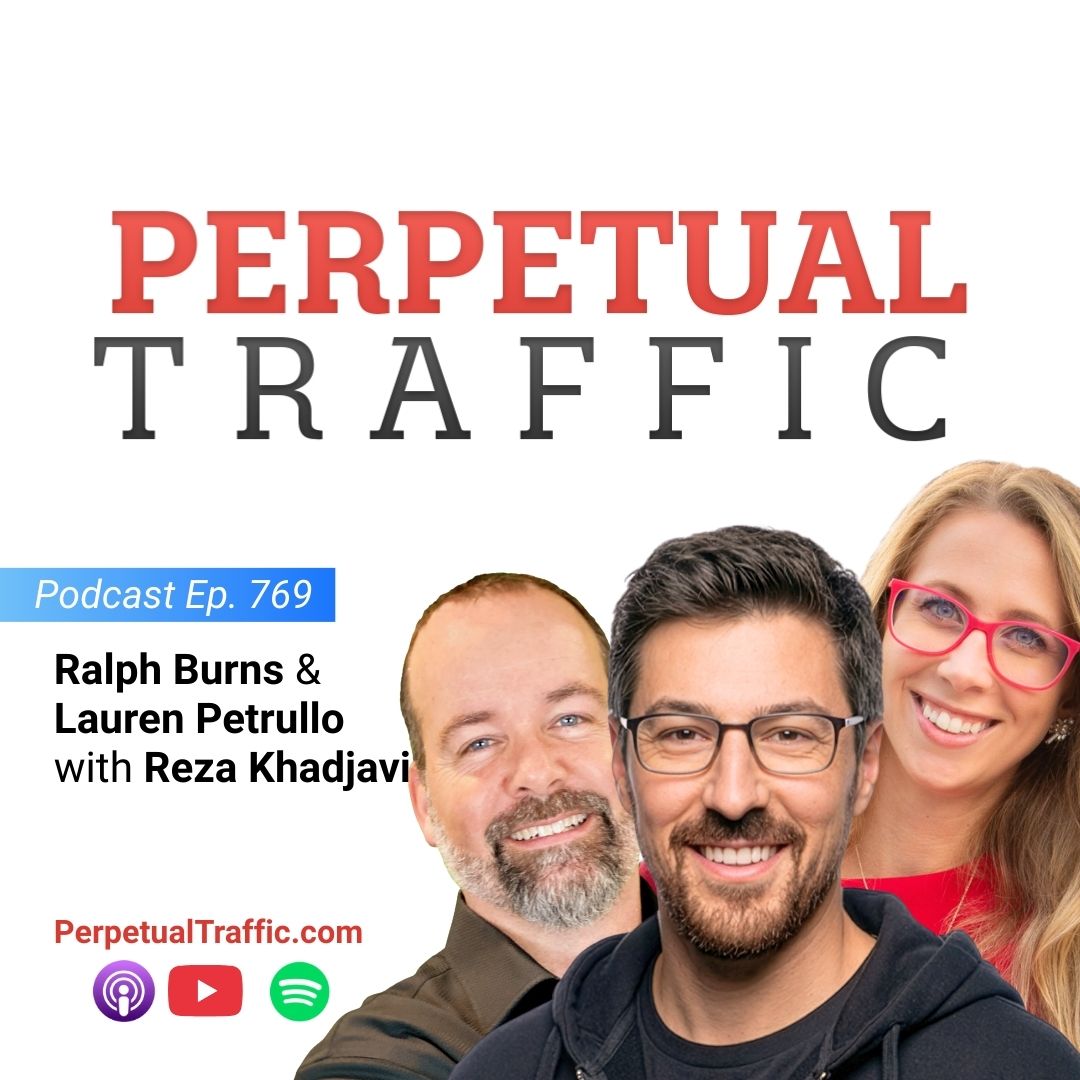
Are you still treating organic and paid content as separate? It’s time to reconsider! Reza Khadjavi, CEO of Motion, joins us today to break down the key creative trends for 2026. We talk about the importance of “psychological kill shots” (or killer hooks) and how to use them to craft content that not only stops the scroll but drives conversions.
Reza explains how understanding your audience’s organic consumption patterns can guide your paid creative approach for maximum impact. We also discuss the massive shift in creative strategy that’s reshaping how we create ads. From the “effort signal” to the visual diversity needed to avoid creative fatigue, we explore practical tips for maximizing engagement.
Plus, Reza shares valuable data from Motion’s recent creative trends event and how creative testing can be more than just tweaking a few visual elements. Join us for a fresh perspective on how to leverage AI tools and creative iteration to push your campaigns to the next level.
In this episode:
02:44 Motion’s record-breaking virtual event on creative trends
07:17 The collision of organic and paid media
11:31 Mastering hooks: psychological kill shots that drive engagement
18:22 How to create hundreds of ads from a single messaging angle
26:06 Why creative strategists need business acumen
32:01 Determining good creatives and visual formats for ads
41:57 Using Motion for creative inspiration and testing
47:17 Upcoming exclusive Motion bootcamp
52:45 How to connect with Reza Khadjavi
Mentioned in the Episode:
- Test Motion AI Tagging: https://motionapp.com/releases/introducing-ai-tagging?utm_source=podcast&utm_medium=sponsor&utm_campaign=perpetual-traffic-podcast&utm_content=introducing-ai-tagging
- Book a Demo with Motion: https://motionapp.com/book-a-demo?utm_source=podcast&utm_medium=sponsor&utm_campaign=perpetual-traffic-podcast&utm_content=book-a-demo
- Watch Previous Episodes on Meta’s Andromeda: https://perpetualtraffic.com/?s=andromeda
- Watch the Episode on YouTube: https://perpetualtraffic.com/youtube
- Motion’s 2026 Creative Trends Event: https://motionapp.com/2026-ad-creative-trends-live-lightning-round-motion
- Gruns Superfoods Meta Ads Library: https://www.facebook.com/ads/library/?active_status=active&ad_type=all&country=ALL&is_targeted_country=false&media_type=all&search_type=page&source=page-transparency-widget&view_all_page_id=107585658730958
- Gruns Ads Landing Page: https://gruns.co/pages/first-order
Listen to this episode on your favorite podcast channel:
Follow and listen on Apple: https://podcasts.apple.com/us/podcast/perpetual-traffic/id1022441491
Follow and listen on Spotify:
https://open.spotify.com/show/59lhtIWHw1XXsRmT5HBAuK
Subscribe and watch on YouTube:
https://www.youtube.com/@perpetual_traffic?sub_confirmation=1
We appreciate your support!
Visit our website: https://perpetualtraffic.com/
Follow us on X: https://x.com/perpetualtraf
Connect with Reza Khadjavi
- LinkedIn: https://www.linkedin.com/in/reza-khadjavi-46802918/
- Website: https://www.usemotion.com/
- Twitter (X): https://x.com/rezakhadjavi
- Motion on LinkedIn: https://www.linkedin.com/company/motion1/?originalSubdomain=ca
Connect with Ralph Burns:
- LinkedIn – https://www.linkedin.com/in/ralphburns
- Instagram – https://www.instagram.com/ralphhburns/
- Hire Tier11 – https://www.tiereleven.com/apply-now
Connect with Lauren Petrullo:
- Instagram – https://www.instagram.com/laurenepetrullo/
- LinkedIn – https://www.linkedin.com/in/laurenpetrullo
- Consult Mongoose Media – https://mongoosemedia.us/
Thanks so much for joining us this week. Want to subscribe to Perpetual Traffic?
Have some feedback you’d like to share? Connect with us on iTunes and leave us a review!
READ THE TRANSCRIPT:
The Biggest Creative Trends in 2026 REVEALED With Reza Khadjavi
00:00:00:02 – 00:00:14:01
REZA khadjavi
A great hook is a psychological kill shot. It is important, I think, for creatives. And this is why the job is getting very hard, is that you have to triangulate like really good organic consumption.
00:00:14:03 – 00:00:32:02
Ralph
Hello and welcome to the Professional Traffic Podcast. This is your host, Ralph Burns, founder and CEO of tier 11. Alongside my globe trotting non-virtual background in the Hills of Meeting, I believe co-host.
00:00:32:04 – 00:00:35:08
Lauren
Lauren E Petrullo, the founder of Mongoose Media.
00:00:35:10 – 00:00:50:08
Ralph
So glad you joined us here today. If you’re not watching this, you get definitely got to check out Lauren’s Non-Virtual backgrounds. One of the best backgrounds I’ve seen since we’ve done this show. 750 episodes. And you are in Medellin, right?
00:00:50:10 – 00:00:53:19
Lauren
I am, I am si. Si, senor.
00:00:53:20 – 00:00:55:06
Ralph
Si, senor. Of course.
00:00:55:06 – 00:00:56:00
Lauren
Thank you.
00:00:56:02 – 00:01:23:00
Ralph
Well, today we are very excited, and I believe he’s calling in from an area that may be a little bit colder. Then. We didn’t even ask him. Actually, she’s sitting in the virtual green room right now. We’ve got the CEO and founder of motion, not the motion app, the app that we use at tier 11 to guide all of our creative decisions, which is just sort of fortuitous that he’s here on the show today, but Lauren doesn’t use it.
00:01:23:00 – 00:01:35:18
Ralph
So today is going to be, it’s going to be a tough one for our guest, because she’s gonna have to convince you that what they have is something that you should be using, because we’re already using it. I’m already convinced here.
00:01:35:18 – 00:01:42:10
Lauren
So you’re convinced I’m using a different tool? I know, so, you know, you’re testing my loyalties here.
00:01:42:12 – 00:02:07:07
Ralph
Well, you’re a proxy for the perpetual traffic audience at large, but we’re not even going to talk about all that today, obviously. Reza Kajabi is a KF CEO and co-founder of motion. Here to talk not just to pitch motion, of course, but to talk about creative trends in 2026. So welcome to Perpetual Traffic, Reza.
00:02:07:09 – 00:02:09:20
REZA khadjavi
Thanks so much. Great to be here.
00:02:09:22 – 00:02:25:05
Ralph
So, let’s talk about these creative trends like you guys put on. I think you had them notify what the Guinness Book of World Records, at the end of December was like December 18th, the time that you would always think like, no one’s ever going to show up for, like, a. And people are.
00:02:25:05 – 00:02:27:03
Lauren
Checking out their network.
00:02:27:05 – 00:02:31:15
Ralph
Checked out like it’s December 18th. So I think I was already at vacation.
00:02:31:17 – 00:02:35:01
Lauren
Yeah, that was hot. No one was paying attention.
00:02:35:03 – 00:02:36:02
Ralph
Christmas.
00:02:36:04 – 00:02:37:14
Lauren
Is Christmas itis.
00:02:37:15 – 00:03:02:10
Ralph
Absolutely. But you guys got like, 24, 25,000 registrations for an online training on, creative trends in 2026. So that is outstanding. First off, congratulations. Yes. But secondly, like, we want to know, like what you guys are talking about here. Yeah. So, yeah. Drop drop the goods here for the perpetual traffic folks.
00:03:02:12 – 00:03:27:04
REZA khadjavi
Yeah. We were we were blown away by it. Two emotions. Emotions. Virtual events have been growing in popularity over the years. Like we it’s been something we’ve taken really seriously. And every time we have this, like, one event that really blows it out of the park, we had we had an event earlier in the year, called the Creative Strategy Summit, and that one had 18,000 registrants and were like, oh my God, this is crazy.
00:03:27:06 – 00:03:46:09
REZA khadjavi
And then the creative trends 2026 like, sorry, the the the Creative Strategy Summit, we prepped for so much. And it was like that was like our big kind of virtual conference of the year. And so we’re like, okay, it made sense of that. One really went crazy. The creative trends one was kind of like, okay, we’ll do one to round out the year.
00:03:46:09 – 00:04:09:05
REZA khadjavi
And like we had some really amazing speakers, but like, there wasn’t as much prep or anything as much as the kind of online conference that we have. So like we really got blown away by that one. And and I think it just kind of shows there’s just a lot of change happening right now in creative that I think people understand across like AI, across like the dimensions of what’s going on in organic.
00:04:09:05 – 00:04:32:02
REZA khadjavi
And so like there’s just there’s just a lot of change right now that I think that, people are interested in learning about how the best in the world are kind of navigating the change. So, yeah, 26,000 registrants. We had a really great lineup of speakers with Oren. John there was great with Jack Appleby. Tara Denny and a couple other really, really amazing speakers.
00:04:32:04 – 00:04:52:19
REZA khadjavi
Probably the number one. And it was like reflected in the, in the speaker lineup that we brought on to, is that these speakers were not all just kind of paid social types, right? Like Oren and Jack and even Elfriede, they’re all, very heavy on the organic side and probably the number one trend unanimous across all the speakers.
00:04:52:19 – 00:05:27:03
REZA khadjavi
That was the idea that the world of organic and paid are collapsing. And like, those are those are effectively the same thing. That was probably like trend number one. And so maybe we can talk about that one a little bit. The other one was, was about hooks. We talked a lot about hooks. And so, hooks is this really interesting idea, both for organic creators but also also paid, everybody intuitively understands, right, that like, as people are scrolling past the content, you’ve got like just a couple of seconds to get their attention before they move on.
00:05:27:03 – 00:05:47:13
REZA khadjavi
And so like, what goes on in those first few seconds are really, really important. And so the speakers talked a lot about, like, what goes into an incredible hook and how to think about it. Another piece that was really interesting, and this one that was from, from Ashley Rothstein, who talked about the idea of, she had a really cool term for it.
00:05:47:13 – 00:06:03:05
REZA khadjavi
She called it the effort signal. So the idea was that, like in the era of AI, where it’s so easy to produce content, it’s almost like signal the fact that, like, no real human effort went into this, kind of like, you guys know.
00:06:03:08 – 00:06:19:21
Lauren
Like the moat, like create, like the moat around your content. But the effort signal of, oh, you just took the first prompt solution that I gave you. This is so replicable replicable. Replicable. Duplicated. So there was no effort. There was minimal effort that fast.
00:06:19:23 – 00:06:49:11
REZA khadjavi
Exactly. Like, you know, when someone like in the movies would get kidnaped and then they would have them like hold the photo of a newspaper ads like prove that they’re alive or whatever. So something to say that like, how can you prove to the viewer of your content that this was not like I slept that like, no, this like, you know, filming stuff that happened in the real world with like real world footage and so on that, like, yeah, really signals that effort was put into the content here as a way of building trust with Ashley.
00:06:49:13 – 00:07:13:00
Lauren
Founder at stuff about advertising. I’m here for this. Like, yeah, if she came up with this amazing if that was what she okay. I mean, I love that that’s such a piece that like in the world of I slot for creative like agnostic of where the creator’s being put I mean garbage in gets garbage out and the efforts signal, oh my gosh okay.
00:07:13:01 – 00:07:15:06
Lauren
This is I’m done. I.
00:07:15:08 – 00:07:20:01
Ralph
I’m you’ve gotten your one takeaway living now and it’s.
00:07:20:01 – 00:07:26:04
Lauren
Not even results right. It came from Ashley. So thank you for bringing this into my ecosystem.
00:07:26:06 – 00:07:43:13
REZA khadjavi
Yeah that was that was really good. And then and then the, the the first one around organic and paid colliding I thought was really interesting. You know when, when one of the things that’s really interesting about in the world of paid, everyone’s talking about like Andromeda and GM and all these like crazy updates and people.
00:07:43:14 – 00:07:46:03
Lauren
What are those things? Right? Yeah. Have you ever heard of those two?
00:07:46:03 – 00:07:48:00
Ralph
Haven’t heard of them. Don’t know. Talking about it.
00:07:48:00 – 00:07:55:12
REZA khadjavi
And you know, the the knee jerk reaction is like, how do we game the system, right? Like, you know, mediavine is like growth marketers were like hackers.
00:07:55:12 – 00:07:58:18
Ralph
And just first things, of course.
00:07:58:20 – 00:08:22:23
REZA khadjavi
And like it turns out the answer is it’s like just make phenomenal content as like a starting point and you’ll land roughly in a good spot because if you’re constantly producing good, high quality content for your audience, like you were going to break out of the kind of Andromeda trap of of similar content, obviously, like just creating a new novel content is not enough, but like, that’s kind of like the point of Andromeda.
00:08:23:03 – 00:08:46:22
REZA khadjavi
It’s kind of trying to push people towards the idea of, even paid folks need to participate in this, like, content feed as, as content creators. Yeah. So that’s a really big takeaway for paid folks. And, you know, when you talk to some of the, the best creative strategists on paid and you ask them, like, how do you come up with really phenomenal content, these days?
00:08:46:22 – 00:09:07:01
REZA khadjavi
The answer that I hear that was reflected in this, in this event is like, okay, well, first we’ll try to find out who are our audiences. Then we’ll try to find out, like, who are the creators that our audience trust and listen to. Then we’ll go and try to see, like what kind of content this creator is putting out that is doing well and working and landing with this audience.
00:09:07:03 – 00:09:35:03
REZA khadjavi
And then I’ll take a lot of inspiration from that and try to use that to kind of create my own, to speak to this audience. And so, like the idea of learning about what is going on in the organic feed and specifically what is going on with the creators that your audience already consumes content from and trusts, gives you a lot of really good signal on to like how you can create content for them that would almost like blend into their feed.
00:09:35:03 – 00:09:44:09
REZA khadjavi
So it’s like you kind of, like earn a place in their feed to feel like, kind of like sneak in there a little bit to be like, I’m, I’m one of the other posts, you know, like, I like.
00:09:44:11 – 00:09:46:17
Lauren
To stand out. You have to fit in, blend in.
00:09:46:20 – 00:09:47:06
Ralph
Right?
00:09:47:11 – 00:10:05:11
Lauren
Because otherwise, if you stand out as like an ad, when you’re obviously an ad, you’re obviously being skipped. So like you had said earlier, to like the goal of so much paid creatives is to give the illusion that it’s organic. So it doesn’t look like an ad and someone’s like, ad alert, oh my God, you I don’t want to watch, man.
00:10:05:13 – 00:10:25:06
Lauren
Which is like when you think of, like, the Kardashian era and like the celebrity era when they were telling stuff and you thought it was authentically their recommendation, and then how that pivoted and then you had the creator economy and doing all this influencer stuff where I’m saying, hey, this is what I recommend to like Gen Alpha. They grew up knowing that anything that they see from a creator is an ad.
00:10:25:08 – 00:10:28:20
Lauren
It’s all like integrated advertising everything.
00:10:28:22 – 00:10:30:16
Ralph
Or compensated.
00:10:30:18 – 00:11:02:05
Lauren
Or compensated. Yeah, there’s some it’s transactional. It’s very rare that you see something that feels authentic. So what you’re saying is that, these creators are seeking a lot of inspiration by researching and doing discovery, which is who is the audience? You said, who are the people that your avatar, your ICP trust? And then, leveraging inspiration from what content that they’re already producing that’s working and embedding it into your paid or organic advertising strategies in order to stand out by fitting in.
00:11:02:07 – 00:11:28:14
REZA khadjavi
Totally and like, you know, people have been saying for years that creative is the new targeting, right? And then the question is, okay, well, how do you do that? And this approach, one of the other benefits of it is that it ends up like putting you in the feeds that you want to be put into, right? And like you, that it is like a vehicle for giving meta and, and the platforms and the information that they need to place you correctly in the feeds that you want to show up in.
00:11:28:16 – 00:11:48:01
REZA khadjavi
Right. So it has like a really interesting distribution benefit, like targeted distribution benefit. If you are very thoughtful about okay, here are the here are the people that I want to go after. Here’s what their feeds probably look like. And how do I create content that matches that feed so that I can so that I can earn my place there?
00:11:48:03 – 00:12:17:00
REZA khadjavi
And then the next one was like, okay, you’re doing this, but people are still just getting bombarded with content, obviously, and you only have a couple of seconds, like the idea of the hook. Yeah. Being such an important part of the ad creative. And so, our team also has been very fascinated with the idea of what a hook is and what is a great hook, because, you know, on the one hand, you could say anything to do to to pattern, interrupt and get someone to stop.
00:12:17:00 – 00:12:39:18
REZA khadjavi
The scroll is a hook, right? In some sense that’s true because like, you got them to stop visual. But yeah, but then it’s like a hook. Yes, exactly. And it’s like but then what? Like if, if, if the rest of the content is completely irrelevant to that like pattern can interrupt mechanism then like, yeah, what’s the point. They’re just going to scroll past you right on second for instead of second.
00:12:39:20 – 00:12:44:05
Lauren
It’s like a bait and switch kind of situation. You’re like, this was interesting. Oh no.
00:12:44:07 – 00:12:44:20
REZA khadjavi
Exactly.
00:12:44:20 – 00:12:47:01
Ralph
Yeah. They hook me in and now I feel dirty.
00:12:47:03 – 00:13:04:05
REZA khadjavi
Exactly. Yeah. The team at Ridge who obviously make phenomenal ads, they have a term for this called the hook ramp. Right. So they’re like, okay, there’s the hook. And then there’s a hook ramp. Like how do you ramp from the hook to the body of the of the content and the transition about it. Right. Exactly. It’s like, all right.
00:13:04:07 – 00:13:17:00
REZA khadjavi
Lauren, before we started recording, you gave this two really good examples of hooks. Maybe you can share them again. But it’s like hooks that basically have, like, the DNA of your entire ads concept wrapped into it. What were they?
00:13:17:00 – 00:13:34:10
Lauren
The two you sound like. You sound like, when you get out of bed, you sound like a dying whale. You know, like the concept of, like, every time you get out of bed, you sound like a dying whale, and it’s embarrassing. And then we had said the visual hook of, like, two aliens on a podcast, talking to each other, being like these Neanderthal humans, I don’t understand.
00:13:34:10 – 00:13:48:18
Lauren
We solve this, like pain relief without surgery 2000 years ago. Why are humans still accepting it? Like that’s just what? Neanderthal like that kind of thing. It sounded more fun in the pre-recording. I will say that like.
00:13:48:20 – 00:13:56:06
Ralph
It’s never as good. The second time through, I was like, is she going to nail this one? I don’t know. We’ll think of another one. That’s okay.
00:13:56:08 – 00:14:16:08
REZA khadjavi
Our team, you know, the thing that’s really interesting about those two examples, we our team was we spent like a couple of weeks trying to, articulate, like, what is a really great hook. And, Alicia from our team was one of the best creative strategists I’ve met. Came up with the term was like, I got it. I think I know how to describe a really great hook.
00:14:16:08 – 00:14:40:01
REZA khadjavi
And we’re like, what is it? She’s like a great hook is a psychological kill shot. And like, okay, that’s very good. Like, it’s got a strike. A nerve so deep that like, yes, it gets you to sculpt the scroll, but it’s like you feel gripped by it and you’ve said something that resonates really deeply to a problem I have or an aspiration that I have.
00:14:40:03 – 00:15:06:17
REZA khadjavi
It’s. And I’m intrigued about where you want to go next to, like, okay, resolve this pain or, or whatever it might be. And so like that is the essence of a really great hook, delivered in a fashion that is like, entertaining and like fits within the feed, that, that, that it wants to wind up at. And like, that’s not easy to do, like those types of, like psychological kill shots that land work and are relevant to your product.
00:15:06:17 – 00:15:30:12
REZA khadjavi
Like they really don’t grow on trees. Right. And so that’s the reason why people find a lot of benefit in spending time iterating on hooks. It’s not like, you know, sometimes the naysayers, I think people who don’t understand creative as well, especially in the era of and drama, they’re like, well, don’t waste your time iterating on the first three seconds, because drama is going to view the ad as the same thing.
00:15:30:12 – 00:15:52:02
REZA khadjavi
Like fair enough. But it’s like testing great hooks. Is is something really valuable to do to figure out, like, what are the hooks? That, and like the good hooks, you could probably spend millions of dollars against a really great hook, like the amount of bad concepts that you can produce against that are a lot. And so I think it’s it’s like it’s almost like the foundation.
00:15:52:04 – 00:15:59:13
REZA khadjavi
If you find something that works, you can produce hundreds and hundreds of ads against, against that same theme.
00:15:59:15 – 00:16:14:12
Lauren
So you’re talking about hooks versus creative concepts like you have the the three like the hook rate, which is a lot of like is I think that actually adopted it naturally natively into their system where it’s like, what retention do you have for the first three seconds to get people to consume the content? But that’s like your visual hook.
00:16:14:12 – 00:16:16:15
Lauren
And then you have the retention for the hook rim.
00:16:16:17 – 00:16:20:16
Ralph
Which is three seconds divided by impressions. There’s a hook, right, right, right.
00:16:20:18 – 00:16:25:11
Lauren
Perfect. And then but like with the vice versa it’s like retention to. Yeah I was like I was like either.
00:16:25:11 – 00:16:25:20
Ralph
Way.
00:16:25:22 – 00:16:26:10
Lauren
It’s a four.
00:16:26:10 – 00:16:29:13
Ralph
Person divided by three second guess. Right?
00:16:29:15 – 00:16:51:12
Lauren
Which is only, dependent upon videos. Right. So the hook rate is a native now native meta. Performance indicator that you can pull inside of your dashboard before you had to do it as a custom calculation. But then with the hook ramp you have retention, which a lot of YouTube, media buyers and YouTube creators, they know because retention makes so much of a difference in play.
00:16:51:12 – 00:16:57:01
Lauren
But from the downside, if you don’t have the hook ramp, if you don’t have that retention, you don’t get to the call to action.
00:16:57:03 – 00:16:57:17
REZA khadjavi
00:16:57:19 – 00:17:21:18
Lauren
Which then what was the point. So like you’re saying I just want to go back to. So the the hooks that we have like those psychological kill shots combines a visual interruptive hook pattern interrupt thumbs up magic with the opportunity to allow consumption in a binging matter and where you like, you freeze everything. Your attention is slowly shifting into what is this experience of an ad that leads you to the call to action?
00:17:21:22 – 00:17:36:12
Lauren
But from the iterations you’re seeing in the past, a lot of media buyers would be like, oh, okay, great. I’m just going to keep making different visual hooks. I’m going to, like you said earlier, pop a balloon, I’m going to look like I’m being pulled by a car. And then you find out that I’m not actually connected to it, whatever those visual hooks.
00:17:36:12 – 00:17:52:08
Lauren
And then the back end of that ad was the same. But what you’re saying now differently is you can make you can make iterations with the hooks because like creative concepts and hooks, can you go a little bit deeper of like what that means for making hundreds of iterations? Yeah.
00:17:52:11 – 00:18:12:03
Ralph
Maybe give and maybe give an example for sure. Because like we have talked about hooks hundreds of times, you’re like diving deeper into it right now because it is such a leading indicator as to whether or not there’s going to be a successful ad, at least it’s a leading indicator. It’s not necessarily the indicator, however, like maybe an example would be super helpful here.
00:18:12:05 – 00:18:21:08
REZA khadjavi
Yeah. So terminology is really interesting because people use different terms for different things. And I don’t know if as an industry, we’ll get to the same exact terminology.
00:18:21:09 – 00:18:23:11
Lauren
We’re going to define it right now as I do.
00:18:23:11 – 00:18:36:02
Ralph
Let’s try to do us hook. Let’s try hook ramp like those are two. Like can you hook them in. Yes. Can you get them to the next step. That’s sort of the ramp. So I love those terms right there anyway.
00:18:36:07 – 00:18:36:21
REZA khadjavi
So so.
00:18:37:02 – 00:18:38:01
Ralph
There’s.
00:18:38:03 – 00:19:00:09
REZA khadjavi
The question about like what is the thing. What do we call the thing that you can create a 100 ads from. Right. And that thing like the boring way to call it would be like the messaging angle. Right? You see, we have this one messaging angle. We know this resonates and from this messaging angle we can create hundreds of ad concepts.
00:19:00:09 – 00:19:19:23
REZA khadjavi
Okay, fine. That tracks. The problem is if you say messaging angle to someone who doesn’t understand like direct response principles, they might come up with a messaging angle that something like durable pans, but technically that’s a messaging angle. But that’s not it. Like that’s not what we’re talking about. Your you need your messaging angles. Got to be your psychological kill shot.
00:19:19:23 – 00:19:27:03
Lauren
Like that’s like that’s a that’s a benefit. That’s not a benefit. That’s a feature. That’s not an angle. That’s like what the product is is a description.
00:19:27:05 – 00:19:35:22
Ralph
However, if you’re rolling around in like crush Stone all day and I was like some work I like, that might be a really good angle, but you know, all right.
00:19:36:00 – 00:19:37:23
REZA khadjavi
The best way that I’ve been thinking about it is.
00:19:37:23 – 00:19:39:17
Ralph
Like durable assets.
00:19:39:19 – 00:19:52:14
REZA khadjavi
The sentence has got to be has got a past the direct response test. Yeah. Okay. I don’t like what whatever that is. It’s got to be like, this thing can sell like that sentence can sell. And so I.
00:19:52:14 – 00:20:05:23
Lauren
Kind of address the line for a movie, right? Like you do whatever that throughline is where you explain, hey, it’s like, this is movie silence of the lambs. You thought humans were tasty. Well, so here’s Hannibal. What does that.
00:20:06:01 – 00:20:30:02
REZA khadjavi
And so and so what I’ve seen on like, a bunch of teams like creative pipeline and creative roadmaps when they say, okay, these are the ten concepts that we’re going to do. Normally. What I’ve seen is they have the verbatim hook. So like the line that’s going to get spoken plus the visual format. So is this like a podcast, the founder ad and us versus them before or after or whatever else.
00:20:30:04 – 00:21:01:02
REZA khadjavi
So that the pattern that I’ve seen is like people are using the verbatim hook as like the messaging angle of the ad concept. So there’s something really interchangeable between the idea of a messaging angle and a verbatim hook. But, you know, not to confuse the audience. The the general idea is that spoken hook can carry a lot of weight, because it can touch on something really powerful that you can express in many different ways.
00:21:01:04 – 00:21:20:03
REZA khadjavi
You wanted to some examples, Ralph. Like there’s some, there’s one, rich wallet. If you look at like the verbatim hook and sometimes it’s verbatim hooks, sometimes it’s written on the right there, there are, there are static ads. The one that does a lot of work for them is your wallet sucks. And they do that a lot.
00:21:20:04 – 00:21:41:06
REZA khadjavi
I think they’ll show like a really beaten up old wallet that’s like, that’s that’s one example. There’s, a company called Fixer who do a phenomenal job with their advertising. They have this they have this one hook around missing family dinner that I thought was really fascinating. So the ad will have someone.
00:21:41:06 – 00:21:43:14
Ralph
And what do they sell this.
00:21:43:16 – 00:21:46:00
REZA khadjavi
Okay. Yeah. Email automation. So.
00:21:46:02 – 00:21:46:10
Lauren
You know.
00:21:46:12 – 00:21:47:05
Ralph
Okay.
00:21:47:07 – 00:21:56:06
Lauren
I will write like, your personal emails, like it reads your calendar emails. It’s like your executive assistant with AI basically.
00:21:56:06 – 00:22:23:04
REZA khadjavi
Yeah. And so like and so the ad will say something like, I stopped missing family dinner or something like that. And the idea that I found really fascinating there is like, you know, you can sell the features and benefits of this. I will write your emails for you and say, okay, great. But like something really gripping about the idea of missing family dinner, that’s a lot deeper than just like the features and benefits of that product.
00:22:23:06 – 00:22:50:13
REZA khadjavi
And there’s a lot that they can do with that type of concept. So those are the types of things that I think carry a lot of load. And, the brainstorming exercise for teams to find their hooks or let’s just call them psychological kill shots, because it’s like it’s different and you are unique. That is like, you know, for most advertisers when when they’re like, something’s not working.
00:22:50:13 – 00:23:19:04
REZA khadjavi
Like it’s just not like their their accounts are just not taking off. It’s usually because of a lack of enough psychological kill shots, or because they’ve exploited one and have not found their next one. Right. So to me, the formula is find your psychological or kill shots, then go as visually diverse as possible. Yes, like motions AI tagging system which we can talk about has tied, all the possible visual formats that exist right now.
00:23:19:04 – 00:23:39:18
REZA khadjavi
And every time there’s a new one, we tag it. And so you want to look for any individual kill shot. What are the dozens of different, visual formats that I could run this with? And then within the visual formats, you probably could do iterations. I actually think there’s nothing wrong with iterations as long as they’re visually distinct.
00:23:39:20 – 00:23:40:12
REZA khadjavi
So 95.
00:23:40:12 – 00:23:48:11
Lauren
Percent difference is not as demand. If they are not 25% different, you have visual blindness and they’re accounted as one on the same.
00:23:48:12 – 00:24:11:12
REZA khadjavi
Totally. So like here’s an example. Imagine we have missing family dinner as like our messaging angle. And then we have founder ad. It’s the founder of fixed fixer talking about the problem. We can iterate on that quite a bit. Like in one scene, like in one ad, he could be in his car, another ad he could be in a boardroom, another ad, it could be just like.
00:24:11:14 – 00:24:37:20
Lauren
You know, he’d be outside the restaurant looking at his family, paying the bill, finished with dessert. And you’re like, shoot, I’m really hungry. Or like, it’s him on a podcast. I’m like, yeah, this, this is the hardest thing. This is like, I’m on a divorced founder’s podcast. And it’s like, yeah, I missed every meal or so that like, you have the verbatim hook of like, like stop missing family dinners and then you have the visual format of, us versus them founder’s story.
00:24:37:22 – 00:24:42:02
Lauren
Maybe it’s like a cute little eye duck thing, like, oh, what the duck?
00:24:42:04 – 00:25:04:06
Ralph
Yeah, it’s the founder telling his own story about, like, he had this problem and he kept missing, like, his kids bedtime, family dinners. And he realized he was spending all this time on email and so, like, reversing it that way, like that would then supplant or at least buttress, like the original sort of messaging. Yeah. Key is, is you’re talking about like a message behind the message, like the benefit behind the benefit.
00:25:04:06 – 00:25:22:18
Ralph
It’s like, you know, in their case it is, you know, right. Faster emails. Second benefit, save more time. Third benefit really sort of benefit. Behind that benefit is the fact that you can now spend more time with your family. You’re not going to miss family dinners. So yeah, it’s that sort of cataclysm. But that’s like all in a like a conceptual.
00:25:22:19 – 00:25:28:15
Ralph
And then you have all your other creatives that sort of reinforce that concept in a conceptual manner.
00:25:28:17 – 00:25:49:04
REZA khadjavi
Yep. Yeah. So you know those are all really interesting like direct response principles. And the thing that is fascinating about this work is that like then you have to park these and then go and actually like consume content and understand like what really good content looks like and like put yourself in the mind of your consumer like a bunch of people.
00:25:49:04 – 00:26:00:03
REZA khadjavi
Very hot is probably the first person who said this to me, but I’ve seen many people other do it as well, where they’ll try to create like a dedicated Instagram feed.
00:26:00:05 – 00:26:20:07
Lauren
Michael oh yeah, we do this channels where it’s like we followed all we like, you make your avatar and then exactly. You had to build a YouTube channel that as if you were that avatar, and then you start to see the thumbnails. And so he he was behind. He was a paid media director of Alex Ramsay. He was behind, Jimmys or Mr. B’s nonprofit, stuff like that.
00:26:20:07 – 00:26:24:21
Lauren
Was he then make your own channels and consume as if you were the consumer.
00:26:24:23 – 00:26:42:10
REZA khadjavi
Totally. Yeah. And like you do that and then, you know, you stay true to the direct response principles that we’ve been talking about. And like, that formula should work. You know, I think the only missing piece other than those two is like, is the product that you’re selling. Does it have product market fit? How big is the Tam like?
00:26:42:12 – 00:27:04:22
REZA khadjavi
And I you know, one of the things that I’ve been very bullish about is that for creative strategists to do their job sometimes, especially at this point, a lot of it is going to be around like managing up to the leadership and be like, okay, what are we actually selling? How big is the market for this thing? Is it realistic for us to go and spend, you know, many hundreds of thousands of dollars against this thing because is the market even big enough?
00:27:04:22 – 00:27:29:10
REZA khadjavi
And like it is important, I think, for creatives. And this is why the job is getting very hard, is that you have to triangulate like really good organic consumption, really good direct response principles, and then like also good like business acumen to think about things like market size because and does this product actually have like real product market fit with this audience that you can sell to and if not, like everything else is going to be so hard.
00:27:29:10 – 00:27:50:11
REZA khadjavi
Like if there is an actually real large Tam for the product that you’re selling, right? It’s going to put a really big strain on everything else. And it’s valuable to identify where the problem exists. But, you know, you have a company like Gruen, for example, one of the reasons, obviously, they do a terrific job with their creative and they’re and they’re paid.
00:27:50:11 – 00:27:56:00
REZA khadjavi
But like, can you imagine the market size for what they’re selling? Right. Like just the massive, massive market I don’t.
00:27:56:00 – 00:27:57:12
Lauren
Know what crumbs is.
00:27:57:14 – 00:28:03:22
REZA khadjavi
No, no. Oh okay. Let me show you groups. It’s like a supplement brand. Yeah. Come in.
00:28:04:02 – 00:28:05:00
Ralph
That kind of thing.
00:28:05:00 – 00:28:24:05
REZA khadjavi
Yeah, exactly. It’s like a daily nutrition brand that, packs, like, on their product packaging. It says Superfoods Green gummies. Right. So, like the idea of get your vitamins through this, like, delicious gummy, right. What’s the market size for that? It’s like massive, right?
00:28:24:07 – 00:28:30:16
Lauren
Every inner child that has a full time job. Yeah I’m like inner child that has a full time job.
00:28:30:16 – 00:28:54:08
REZA khadjavi
Yeah I actually think that stuff is not talked about enough. When people go study that like ad library of runes and then like, how do I do this for me it’s a useful exercise. But the question is like, are you also selling into a market that big, or is your market size different? And if it if it is smaller, like you have to be a bit more realistic with how much spend you can deploy.
00:28:54:10 – 00:29:26:21
REZA khadjavi
But I think that is a really important job of a creative strategist who is tasked with like, hey, I just need you to scale this budget at the and keep these performance targets, okay? That’s the job, right? And part of that is building really good creative. But another part is having like a market analysis hat on and being like, how is this product doing in the market that we are advertising to and I actually think, like my take for the Creative trends 2026 is like from the role of the creative.
00:29:26:21 – 00:29:47:06
REZA khadjavi
Also, before we recorded Lauren, we were talking about the how the creative is getting automated with AI and so on. Like how can creative people level up and add more value? I think one of them is this like feeding back insights that they’re learning through advertising, back to like help guide business strategy and say, like, here’s what we’re learning from the market.
00:29:47:06 – 00:30:07:16
REZA khadjavi
Here’s what that actually means for the decisions that we might want to make. On the business side. Because the feedback loop between what we’re learning in the market and what we do on the business side, I think needs to get really rapid and there’s something really pure about the signal that you get from advertising that you actually don’t get anywhere else.
00:30:07:18 – 00:30:28:08
REZA khadjavi
We were we were making we were talking with a brand, I won’t name them because there’s obviously internal politics around this stuff, but like, you have the brand team, right? And then the director, the DDC. Yeah, the data team. And oftentimes the brand team is very out of touch with like, the customer and what the customer wants and why the customer even buys from this brand.
00:30:28:08 – 00:30:33:18
REZA khadjavi
So they’ll come up with these like vague fluffy terms around brand identity.
00:30:33:18 – 00:30:55:07
Lauren
Brand time where it’s like clothing brands. Chanel is like one of the most famous cases where, like, their brand is been out of touch with what the end consumer wants. And then in the last five years, brand got a recall with their, direct consumer, and now you have the highest resale value from any luxury brand. I know that’s probably what, Ralph knows the most about.
00:30:55:07 – 00:30:58:09
Lauren
He looks like an avid Chanel purse collector.
00:30:58:11 – 00:31:03:08
Ralph
I yeah, yeah, it’s multiple ones in the other room, but you know who’s counting? I can’t even.
00:31:03:10 – 00:31:23:01
REZA khadjavi
Yeah, yeah. So, like, you know, to me, it’s like, you know, like that team, the team that I was talking about, like they’ve crafted some of the most phenomenal hooks in the market. But those hooks are not in the conversation when it comes to, like, what is our brand and how do we talk to our customers, like really at the largest scale.
00:31:23:03 – 00:31:44:04
REZA khadjavi
Whereas I actually think the right way is if you take the most powerful hooks, the ones that are working across the largest audience like that should actually be the biggest input into your brand identity. And like, you know, the, the, the signal that you get from like, what is actually resonating with customers, what are they hearing from us?
00:31:44:06 – 00:31:52:12
REZA khadjavi
It’s causing them to move. I’m not saying you take like you, you, you sound like a whale. And the brand identity necessarily.
00:31:52:14 – 00:32:08:05
Lauren
Like that’s not it. But if it’s like what’s being told about and then all of a sudden, like there’s an A trending sound that sounds like, oh, okay, everybody’s recorded in the video, I’m not going to do that. But, if that ends up becoming and can we come at these and then like, what is the bigger picture that that falls into.
00:32:08:05 – 00:32:24:01
Lauren
And having that can actually be. But you’re talking about how like creatives need to know what’s working. And there’s that feedback loop so rarely happens. If anyone’s watched Mad Men you can see like Peggy is just like living on her own space. And they’re like, I keep coming up with ideas. Is it working? It’s working. Pay me more.
00:32:24:02 – 00:32:39:23
Lauren
So it’s like people don’t want to tell the creatives what’s working because they don’t want the critics charge more. But if the creators don’t know what’s working, they’re going to make ideas that can flop. Yes, tremendously. And so that information, though, that feedback loop, I believe, is where you’re getting into towards that motion goal.
00:32:40:05 – 00:32:57:03
Ralph
So, so in that vein, I think it’s important for us to sort of bring it like land the plane here to a certain degree. It’s like, all right, these are all important. But how do you actually read the tea leaves? How do you really understand all this is great. I mean, we could talk for hours on hooks, like, what is a great hook?
00:32:57:03 – 00:33:15:00
Ralph
What is not a great hook? And I’ve seen plenty of hooks that are look like great hooks, but then they don’t have that ramp and then they don’t convert. So how do you read all of that to understand, like what’s going to be best, what you should iterate on. And then that’s sort of the next solution. That’s what we use motion for.
00:33:15:00 – 00:33:37:17
Ralph
I mean it’s speaking the way that now this has changed somewhat with Andromeda. It used to be more conversion based. Now it’s really because that would always say, all right, let’s reiterate like three years ago, let’s say if we’re doing like top of funnel level one ads and then we’re doing retargeting ads, like all the retargeting ads are the ones that are getting all the purchases, but or the add to cart like abandoned cart ads.
00:33:37:19 – 00:34:06:13
Ralph
We don’t necessarily want to redo all of that. So the shift has really changed fundamentally from what is converting, what’s getting that last click purchase versus what’s engaging people at top of funnel. And that’s, I think, where motion really comes in, not to give you guys a pitch here, but that’s where we use it, because what used to be the case and how you would measure a good creative has drastically changed with Meta and Joe.
00:34:06:15 – 00:34:31:12
REZA khadjavi
Yeah, yeah. You know, maybe I can share screen as well and show you a couple of things on on motion. But like when you think about the formula, the formula tends to be find your psychological kill shot, call it whatever you want, messaging, angle, hook, concept, whatever else. Once you have that messaging angle that’s working, then the idea is like, how do I test as many different visual formats as possible?
00:34:31:12 – 00:34:54:00
REZA khadjavi
I think the the trap that people fall into is like they’ll find something that that’s working and they’ll keep doubling down on it. And there’s something about that that makes sense that you should be doing that, but not on every dimension. I think people fall into these like small iteration traps. And so I want to show something that I think is a really helpful way to, really helpful way to think about it.
00:34:54:02 – 00:35:10:20
REZA khadjavi
And so emotions, AI tags, which are, really, really effective and we’ve spent we were talking about this earlier as well. Like you can build a feature around AI tags in like 30 minutes, but whether they’re good or not is a separate question. Right.
00:35:10:22 – 00:35:12:08
Lauren
What’s the effort signal.
00:35:12:10 – 00:35:13:16
Ralph
Right.
00:35:13:18 – 00:35:54:23
REZA khadjavi
You know, actually the effort signal is compute. It’s actually a good one. We have spent many, many, many hundreds of thousands of dollars on compute and continue to do so to make these AI tags really good. And so actually, in AI, like tokens consumed and money spent on compute is probably a good effort signal on the quality being really good because, we use like the best models and we run them multiple times to make sure that like we catch the duplicates and they’re like aligned and we test them against like our, our, entire data set to make sure that like, the, the way that we’re coming up with these naming conventions
00:35:54:23 – 00:36:03:18
REZA khadjavi
become really representative and that you can rely on them so that it’s not like one day it’s tag this, another day it’s tag that like, it needs to have consistent.
00:36:03:18 – 00:36:04:16
Ralph
Consistent. Yeah, it.
00:36:04:16 – 00:36:24:05
REZA khadjavi
Has to be consistent because otherwise like we’re looking at stuff and like we can’t actually learn anything if the tagging is not consistent over time. Yeah. And at the moment that requires like pretty significant spend on compute, which we could do at a large scale. And our benefit and our customers can benefit individually because we don’t charge on a usage based for this.
00:36:24:05 – 00:36:34:23
REZA khadjavi
Like we spend all the like, let’s say, like it’s interesting because software never used to be this way, but like we’re almost spending this like CapEx that we’re spending and then everybody else kind of benefits from. Yeah for sure.
00:36:35:01 – 00:36:51:07
Ralph
Well, that’s what that’s what makes the platform really good. So if you’re not watching this, you’ve just been listening so far. You’ve been walking the dog, you’ve been in the gym, whatever it happens to be, we’re going to do a screen share here Inside Motion, just to kind of give you guys an idea of this. And even if it’s this, this isn’t the solution for you.
00:36:51:07 – 00:37:12:22
Ralph
It’s it should be good food for thought for you to how to sort of, you know, laser focus in on the best creatives that should be iterated on. But also there’s some traps that go alongside that. So head on over to professional traffic.com/youtube. Subscribe if you’re not already a subscriber on that channel. So take it away.
00:37:13:00 – 00:37:30:15
REZA khadjavi
Yeah, yeah. So what I want to show you here is you’re looking at the card view of a regular motion report, and I have three AI tags loaded up here. I’m not going to spend time on the messaging angle, one, because I’m just going to say like let’s say we have a messaging angle. Let’s say we know it works.
00:37:30:15 – 00:37:52:02
REZA khadjavi
And now the work is like, okay, take that. And how do you actually run with it in a way that’s Andromeda friendly, in a way that doesn’t get you into this like small iteration trap. Let’s assume that all of these creatives have the same like roughly speaking, messaging angle, and like these ones were all about the 2026, credit trends event that we did.
00:37:52:04 – 00:38:17:04
REZA khadjavi
And these three are very informative. So first one we’re looking at here is visual format. So a visual format is like how the ad is presented. So stuff like green screen comment response expert explainer us versus them. This is the first line of diversity that you’re going to want to see. Because if it’s if all you’re doing is green screen, the chances that you’re going to fall into like similarity track is high.
00:38:17:06 – 00:38:45:02
REZA khadjavi
But you know, if you got green screen on one and you’ve got, listicle on another one, an expert explainer on another one, like, you know, that you’re being like horizontally broad when it comes to visual testing. Yep. The other one that I really love is intended audience, something that when we first launched our AI tags, we were like, wait, no, there’s a bug here, because every single motion ad was tagged with the creative strategist as the intended audience.
00:38:45:02 – 00:39:01:12
REZA khadjavi
And we’re like, that’s got to be wrong, because we’re not just talking to creative strategists, we’re talking to like, marketing professionals and media buyers and so on. But we we went and rewatched the ads and were like, oh no, we think we’re talking to media buyers, but we’re actually talking to creative streams. And every single one of these videos.
00:39:01:12 – 00:39:27:07
REZA khadjavi
Interesting. So the so the I got it right, even though we would have tagged that as like okay this a creative because I want to talk to a media buyer here. But like I there’s a really good job checking your bias and once we saw that we were like, okay, we want to make ads that are diverse on the intended audience side so that we start to see it get picked up as different tags and then we started to see, okay, this one is creative strategist, but like this one is performance marketers.
00:39:27:09 – 00:39:47:11
REZA khadjavi
And so it’s almost like doing your creative testing and then going and seeing like what the AI picked up. And so that’s a very interesting distinction where people are like oh I tags. It’s interesting because it’ll automate my naming conventions, but it’s actually more than that because I might sit down and have my own human bias when I’m labeling something and I’m going to rush and so on.
00:39:47:11 – 00:39:58:04
REZA khadjavi
Like, who’s to say that I have the same level of consistency and honesty when I’m tagging something? But if the AI is doing it, that I like it. It has that kind of honesty and consistency, which I.
00:39:58:04 – 00:40:16:10
Lauren
Think that’s what it’s like about teams at scale. Like there’s teams that have more than one career strategist, there’s teams that have multiple, many buyers. It’s not just about consistency as individual, it’s consistency across the platform. And if that person leaves and all that tribal knowledge of what I identify as a tag is not a tag. I’m like, this is future proofing.
00:40:16:12 – 00:40:30:21
Lauren
Like there’s a lot of assumptions that like Gen Z-Ers have no loyalty to their companies, and you’re lucky to have them for more than two years, God forbid, all of a sudden you lose all that tracking, or it’s a misguided for a new hire. It’s not sustainable long term.
00:40:30:23 – 00:40:49:21
REZA khadjavi
Totally. And so like, you know, people are like, how do I know if I have creative diversity? Well, if you open a motion report like this, sorted for your last 30 days and then see, are you getting the same visual formats and the same intended audiences and the same hook tactics across the board? If so, you’re just iterating across these.
00:40:49:22 – 00:41:11:08
Lauren
So if you see 50 Shades of gray, because for those that can’t see it like each different like green screen has a green tag performance Max. Performance marketers are yellow marketing professionals. Orange like you. I’m looking at a Crayola box of colors like this, is quite diverse in terms of visually telling me that there’s an abundance of options.
00:41:11:10 – 00:41:15:23
Lauren
And if you’re looking at all 50 Shades of gray, then yeah.
00:41:15:23 – 00:41:31:15
Ralph
And also keep in mind that this is either a media buyer or a creative strategist or a creative production member that’s looking at this. And time is of the essence, and they just want to be able to see at a quick glance, like, all right, where is that ad resonating? Which ICP is it hinting on? What hook is working.
00:41:31:17 – 00:41:32:13
Ralph
Yeah.
00:41:32:15 – 00:41:33:21
REZA khadjavi
And I’ll show you something sooner.
00:41:34:00 – 00:41:53:01
Lauren
The one that wants to know, like how are ads doing, which ads are working, which ads I like because they’re not going into meta ads manager. They’re looking at a dashboard or using something with super metrics tied into looker Studio. But that’s just showing performance on a performance only side. It’s not giving direction of what else do we need to create is saying what was done.
00:41:53:01 – 00:41:59:06
Lauren
This is showing ideally options of where you can create iterate more of.
00:41:59:08 – 00:42:23:06
REZA khadjavi
Well and check this out. So like if you go to the filter and you filter by eye tags and we go by visual format, now it actually shows me this actually is the filter, but it shows me a lot of really interesting information. So it shows me that in this report I’m very heavily focused on green screen. And when I see these ones are all of the various opportunities that I could be doing here that I’m not, all right.
00:42:23:06 – 00:42:45:10
REZA khadjavi
So if I’m sorted by a specific messaging angle, I’m like, okay, we’re doing a lot of green screen, but let me just scroll through here and be like, this is our roadmap, basically, right? You’re like, take this messaging angle and like pick from this list and go run with it. And then what you can do inside of motion, let me just go and share another tab is that in our inspo feed?
00:42:45:12 – 00:43:07:09
REZA khadjavi
Because the visual tagging is consistent across the board. Then you can take the ideas for like posted or comment response or whatever else that you want to see. And you can like filter for them here. Right. So we could say comment response and then you can just look for inspo on comment response because we’ve tagged our entire inspo library with the same taxonomy.
00:43:07:11 – 00:43:42:20
REZA khadjavi
And so if you find an opportunity in that list that you want to go and test, then you can go jump over to the inspo feed and search for only the visual formats of that type. And then you can like pick a few, send them as an example to your designer and and go and execute. So like at that level of altitude of like having a messaging angle that you know that works and testing relatively broadly on the visual format side, should put you in a good place from an Andromeda standpoint, because there are so many visual formats that people can and should be testing that they haven’t yet.
00:43:42:22 – 00:43:56:23
REZA khadjavi
And so having like a rigorous list, usually very quickly, it’s like, oh yeah, actually we can be very diverse. Well, we’ve been talking about like, we’re not even anywhere close to exploiting visually the different ways that we can say this message that we know works.
00:43:57:01 – 00:44:10:20
Ralph
Yeah. You think that you’re diverse, when in fact, this will tell you whether or not you are or whether you are you aren’t as well as all the other options that you have there to to just continue on that diversification, which is so key.
00:44:10:22 – 00:44:12:01
REZA khadjavi
Yeah.
00:44:12:03 – 00:44:31:08
Lauren
It’s, allowing someone else to say what a lot of people listening are like. I’ve been telling my client this for a while now. It’s like, well, seeing is believing. And what I take away from that is that that, trends report and being able to see in the discovery of all other options, it’s like we use the Facebook ads library a lot, and I love it.
00:44:31:08 – 00:44:45:15
Lauren
And you can see in TikTok, you can see with Google, you can see what other people are running ads for, and you can see iterations like I’m using Ryan Dice, one of our like good friends. You go into Facebook Ads library for Ryan Dice, you can see all the ads that he’s actively running and the iterations is insane.
00:44:45:15 – 00:45:06:12
Lauren
Like he has so many versions of his ex tweet and that’s the one that he’s just done so many copies of. You know, that that one’s leading the most responsive. Like what I’ve had my team, whether it’s organic or paid, look into that look inside Facebook Ads library to understand what are our competitors doing, what are other ads that are out there?
00:45:06:14 – 00:45:20:19
Lauren
But what you’re showing is a combination on the creative visual side versus the performance side, or just in general inspiration because there’s no performance based off of it. So that’s a tool. I can see whether you’re on the paid team organic.
00:45:20:21 – 00:45:49:01
REZA khadjavi
Yeah. I want to show you this too. So like the fact that we have consistent tagging across the visual formats also exist at the individual brand level. So if I go to our inspo and I search for, let’s say, Huel, I can very quickly see the different visual formats that are testing. And then I can click if I want to see, okay, it seems like they’re doing a lot of feature benefit point out, let me filter for that and just see all of their feature benefit point outs or it sounds like they’ve done a little bit of testimonial.
00:45:49:07 – 00:46:12:06
REZA khadjavi
What does that look like. Right. And like because the language is consistent across your ad account and across the ad library, that hopefully gives the teams shared language when they’re doing their creative road mapping to say, okay, take a messaging angle and then combine it with a visual format. And like that is basically the language internally around coming up with new ad concept.
00:46:12:07 – 00:46:27:10
REZA khadjavi
Because just that alone, I feel like teams struggle quite a bit. Like it’s fascinating what happens when you have shared language, how fast you can, but when people are like, okay, let’s come up with five ads. How do we describe these ads? And everyone just kind of struggling to, but.
00:46:27:10 – 00:46:31:21
Ralph
Everyone’s using different nomenclature for the same thing or different things. Yeah.
00:46:31:23 – 00:46:59:23
REZA khadjavi
Totally. But but at least at the visual format, like we tried to take a crack at a kind of industry standard across like post it ad and comment response like we’re trying to we’re catching all of the new ones to, so that one I feel like is the biggest gains that people can get is, aligned taxonomy around how we talk about visual format because very quickly you’re realize like, wait, there’s actually many more of these than I could test right now.
00:47:00:01 – 00:47:07:14
REZA khadjavi
And there’s no reason for us to be pigeonholed into UGC testimonial product demo like those.
00:47:07:16 – 00:47:32:00
Lauren
Because I think people when they’re familiar with and like, oh, this works. But in the Age of Andromeda and the demand of options, what, you know, work test you’re talking about really like people get in this trap of iterations and iterations and iterations. So then but you don’t actually test and see can a different visual hook in a different, can we find a different psychological kill shot that can really expand into new markets?
00:47:32:00 – 00:47:44:15
Lauren
So if we go back to like evaluated in the Tam and you’re making something your only hyper focus on this one demographic or this one option, you could be leaving out the opportunity to penetrate new markets that could have better cost efficiencies.
00:47:44:17 – 00:48:03:18
Ralph
I mean, I quite honestly, I was a little bit reluctant to have you guys on here today because, I mean, this is sort of a cheat code that we’ve been using for quite so now the world knows about it. It wasn’t just the brilliance of our creative strategists, but there is a reason behind it because of universal taxonomy, it’s about all the things that we’ve talked about here today.
00:48:03:20 – 00:48:11:14
Ralph
If people want to take sort of that next step, engaging with you all, I hear you’ve got another free training that’s coming up.
00:48:11:16 – 00:48:35:23
REZA khadjavi
We do. Yeah. We we we have a very, very exciting bootcamp. It’s a six or I think eight week, live program with some really fascinating instructors. We tried to take people who are like actual practitioners at great companies and try to yank them from their day job a little bit to run, full on, creative strategy bootcamp to teach people how to do, really great work.
00:48:36:01 – 00:48:41:21
REZA khadjavi
The really cool thing about it is that it’s 100% free. One of the cool things about being a software.
00:48:41:21 – 00:48:52:17
Lauren
Business is something like, that’s free eight week training. Yeah, well, the leaders and doers of not the people that are on stages that are repeating what their teams are doing with the actual doers. No, I don’t believe you that it’s free.
00:48:52:19 – 00:49:13:11
REZA khadjavi
You know, the the interesting thing is, like the economics of a software business is that we make money off selling our software, right? So we actually don’t have to make money on selling the course. It’s a very like simple business model. If we can get like thousands and thousands of people to come through the course, then a bunch of them will obviously end up becoming that because that it’s all crap.
00:49:13:11 – 00:49:25:15
REZA khadjavi
Yeah. And like that’s kind of in like Motion’s go to market strategy since the beginning is like create really great content. Talk about creative strategy. And then ultimately like motion as a product becomes an obvious choice. Okay.
00:49:25:17 – 00:49:31:18
Lauren
We’re canceling this episode right now. I don’t want anyone else to go to this crash. Crash who can’t? We might be.
00:49:31:18 – 00:49:35:18
Ralph
There. We might just, throw this one in the dustbin. Maybe not.
00:49:35:19 – 00:49:37:03
Lauren
You know, it’s like.
00:49:37:09 – 00:49:44:12
Ralph
I don’t know, just. I don’t want to be giving away too much. Where can people sign up for that, anyway? In case we do air this episode.
00:49:44:13 – 00:50:09:00
REZA khadjavi
Yeah. So so we we, we have the landing page coming up. If it if it’s not ready and it’s not in the show notes. Keep an eye on Motion’s social media page or visit our website. It’ll be out any day now. But we’re going to do so much advertising for that. You won’t miss it. Look out for motion bootcamp like it’ll start on March 17th, so you’ll have plenty of time, to sign up.
00:50:09:05 – 00:50:17:13
REZA khadjavi
But we’re starting registrations at the end of January, and, I think there will be limited spots. But,
00:50:17:18 – 00:50:21:01
Lauren
Great. Don’t sign up. You can’t sign up. We’re already signed up. Who’s taking me?
00:50:21:03 – 00:50:38:18
Ralph
I’m sure. Yeah. Head over to it’s motion App.com. Correct me if I’m wrong. That’s probably been Retargeted is my guess. Is that your problem? Yeah, yeah, but we will leave links in the show notes over a perpetual traffic.com for anyone who just wants to cut the line and sign up with you guys, any discounts you can offer our listeners here?
00:50:38:20 – 00:51:05:10
REZA khadjavi
Yes we do. We have, discount code of traffic ten, which would give you 10% off your first three months of motion. So just mention that as your as you’re signing up and yeah, our, our, our team does a lot trying to like onboard people onto motion because oftentimes we see that when people want to be successful with the product, there’s a lot of work that happens outside of the product around like how does our team work, what’s our weekly process like?
00:51:05:10 – 00:51:28:09
REZA khadjavi
So we run a lot of workshops with people who, are starting to become motion customers evaluating the product. So I highly recommend grabbing time with our team because we’ve we’ve had people like go through motions like sales process and just learn a ton about how good creative strategy works. And so I highly recommend grabbing some time with our team, even if Motion’s product is not for you.
00:51:28:11 – 00:51:45:14
REZA khadjavi
I bet that our sales process will give you a lot of valuable insights around, at least the motion POV and how we do things, and if we’re not a good fit for you today, maybe, maybe tomorrow, because we’re always shipping really exciting new things. And we have a lot of really exciting eye things coming out this year as well.
00:51:45:14 – 00:51:50:17
REZA khadjavi
So, hopefully, hopefully we can create enough value to earn your business.
00:51:50:18 – 00:52:12:12
Ralph
All right. Well, that’s traffic ten. Make sure you do that. I will leave, links in the shownotes over at, perpetual traffic.com. Make sure that you do watch this as well. So you can actually see us going through the interface inside of the motion app. And, you know, I mean, this is we just redid, I just actually met with our finance department this morning.
00:52:12:12 – 00:52:33:05
Ralph
I’m like, what softwares can we cut out in 2026? And yours made the cut. It did not end up on the cutting room floor. So that’s how important the software has been for us. Lauren. Sounds like maybe she’s not going to be a customer as well. But anyway, I’m not pitching anything here, I don’t care. We’ve already given away too much.
00:52:33:05 – 00:52:35:08
Lauren
No one should sign up for it. It’s not.
00:52:35:08 – 00:52:38:15
Ralph
Oh, once you sign up for motion nobody and don’t.
00:52:38:18 – 00:53:01:04
Lauren
I think the one thing I wish, like, would be like, okay, maybe it’s a road map or something like that. Like, because we do use an alternative tool, is that if there was a connection of putting up creatives there for approvals and having that all dialed in as a pre live, because it looks like this is showing you inspiration before you build and then information after you’ve gone live with the launch.
00:53:01:09 – 00:53:07:06
Lauren
So I would just be like if there ends up being that pace rather like I’m guaranteed my business.
00:53:07:06 – 00:53:15:10
Ralph
Can’t disagree there because he is another one for that specific, you know, sort of, creative and approval process for clients. So I think that but for.
00:53:15:13 – 00:53:32:19
Lauren
All I want this to be the high level, creative, high level as it is like the so all sole software for agencies to use for like CRM, ESB, billing documents. I want this to be the sole software for creatives. So I make that happen and I guarantee you have my business for life.
00:53:32:21 – 00:53:34:12
REZA khadjavi
I love it, I’ll talk to our team.
00:53:34:14 – 00:53:47:03
Ralph
All right. Oh yeah, I’m sure Lauren will be the first one to know. Anyway, thank you so much for coming on, this week’s show. Really, really appreciate it. How can people connect with you personally?
00:53:47:05 – 00:54:09:03
REZA khadjavi
Yeah. I’m on. I’m on Twitter or X, as they call it. Javi. And, LinkedIn as well, but our team and following our blog and signing up to our newsletter, we have a content team of about, I think 6 or 7 people now. And the amount of stuff that they put out around creative strategy education is just like mind blowing.
00:54:09:05 – 00:54:28:11
REZA khadjavi
James, who leads our content team, loves this stuff. And, we’ve we’ve almost, like, built a media company within motion to, like, educate this specific problem space. So I think more interesting than me is following our, our content and signing up for all of our events because there’s like really, really, really valuable stuff in there.
00:54:28:13 – 00:54:48:12
Ralph
Awesome stuff. Well, very, very cool. I will leave it all the links in the show notes of our perpetual traffic.com. And of course, wherever you listen to podcasts, wherever that happens to be, please leave us a rating and review gets us out to a wider audience and teach people how to do this stuff the right way, through metrics that matter and growth that scales, motion being a huge part of that.
00:54:48:12 – 00:54:51:16
Ralph
So thanks for coming on, Risa.
00:54:51:18 – 00:54:53:14
REZA khadjavi
Thanks for having me.
00:54:53:16 – 00:55:03:20
Ralph
On behalf of my amazing meeting based co-host Lani Petrillo. So till next show, see you.